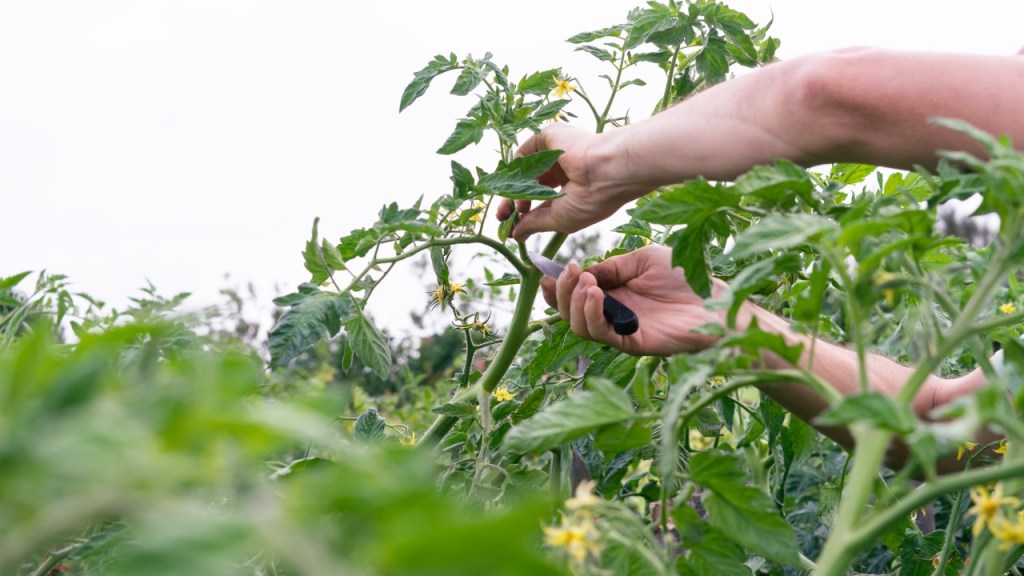
Pruning—whether in gardening or business—is always a painful process, but it is an essential part of maintaining a healthy ecosystem. It requires tough decisions and sometimes difficult losses, which is necessary for future growth. This reality isn’t limited to plants or companies; it’s something we also see in government. Recently, we lost a three-year client contract with the DOGE effort. I will not get into government pruning, because this is a charged topic, but hopefully some of what I share concerning gardening and business will be helpful. All pruning is painful, but I look forward to how the collective we bounce back and flourish from the pruning we do in the garden and our businesses.
The Power of Pruning in the Garden
Pruning is an essential practice for a thriving garden. It involves cutting back overgrown branches, removing dead or diseased parts, and shaping plants to improve their health and productivity. While it may seem counterintuitive to cut back something that’s growing, strategic pruning leads to stronger plants, better yields, and a more resilient ecosystem.
In my own organic farming experience, I’ve seen firsthand how pruning tomato plants increases airflow, reduces disease, and ultimately leads to a more abundant harvest. By removing unnecessary growth, the plant can focus its energy on producing high-quality fruit instead of wasting resources on excess leaves.
Pruning in Business
The same principle applies in business. It’s easy to fall into the trap of accumulating too many initiatives, projects, or even team commitments. But just like in gardening, unchecked growth can lead to inefficiency, burnout, and reduced impact.
Pruning in business can take many forms:
- Eliminating non-essential projects – Are you working on initiatives that no longer align with your core mission or priorities? Cutting them can free up energy for more meaningful work.
- Refining your focus – Are there services or products that no longer serve your company’s vision? Letting go of underperforming offerings can strengthen your brand.
- Evaluating team workloads – Are your employees stretched too thin? Removing unnecessary meetings or streamlining processes can help your team be more effective and engaged.
- Letting go of outdated systems – Are you holding onto tools or workflows that are no longer serving you? Simplifying operations can increase productivity.
The Courage to Cut Back
Pruning requires a certain level of courage. It can be hard to remove something that once had potential. But just as a gardener knows that a well-pruned tree bears the best fruit, a business leader understands that strategic cuts lead to sustainable growth.
At ThreeWill, we often talk about helping businesses get more value from the Microsoft tools they already own. This aligns with the idea of pruning—rather than constantly adding new technology, we help organizations refine and optimize what they have, ensuring that their digital workplace is effective and efficient.
The Season for Pruning
In gardening, pruning happens at the right time—whether it’s winter pruning for structure or summer pruning for shaping. The same applies in business. Periodic evaluation of what’s working and what’s not can ensure you’re focusing on what truly matters.
As we move through this season, I encourage you to consider what needs pruning in your work, your business, and even your daily routine. What’s taking up space without adding value? What can you remove to allow new, healthy growth to emerge?
Prune wisely, and you’ll set yourself up for a stronger, more productive future—whether in the garden or in business.
This post first appeared on February 21, 2025 in Sowing Success, my weekly LinkedIn newsletter on leadership and organic farming. Read the original on LinkedIn.


