In both the garden and the workplace, stress is inevitable—but not all stress is bad.
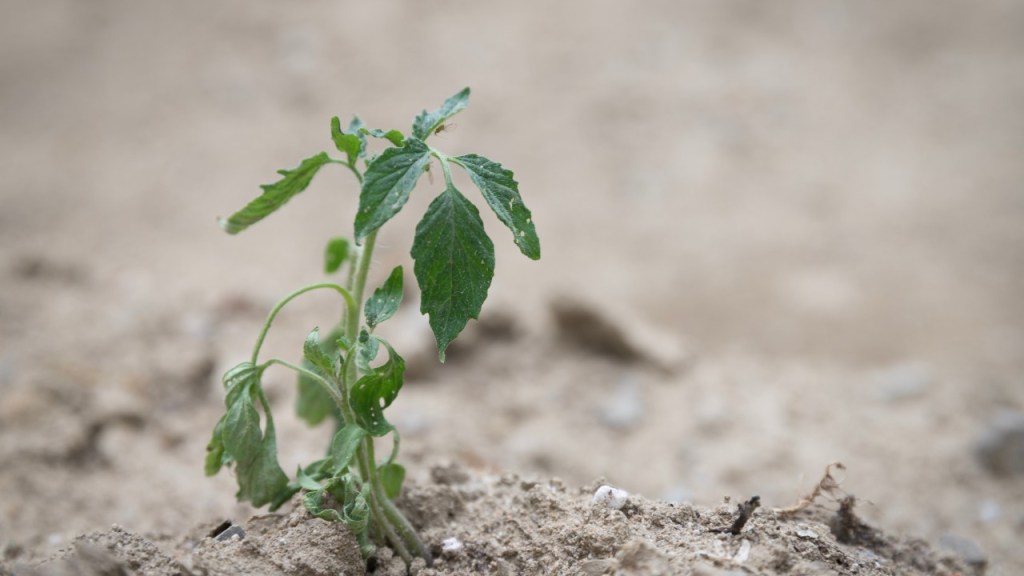
In the garden, the early stages of a plant’s life are crucial. When starting seeds or transplanting seedlings, the goal is to minimize stress. You want to give the plant just what it needs: not too much water or too little, enough light to prevent legginess, and nutrients to encourage root development—not overwhelm it. When you move it to the field, it’s best to do this at the end of the day, avoiding the direct heat of the sun. Water it in well, maybe even cover it for a bit to reduce transplant shock. Why all the care? Because if the plant can establish a strong root system, it can handle what’s to come.
Once a plant is grounded and growing, some natural stresses—like heat and limited water—can actually help. Grapes, for example, often taste better when the vines experience dry periods. That’s because the stress concentrates flavor. This “good stress” doesn’t weaken the plant—it strengthens its character.
The same applies to our teams. When someone joins a new company or steps into a new role, we shouldn’t expect them to thrive under immediate pressure. They need time and care to set roots. That might look like onboarding support, mentorship, and clearly defined expectations. If we rush this stage or expose them to unnecessary stress too early, we risk stunting their potential.
But once someone is established? That’s when the right kind of stress—the kind that stretches skills and challenges thinking—can lead to growth. Letting people struggle through a tough project or navigate a tricky situation on their own isn’t neglect; it’s trust. It’s how people develop depth, resilience, and character.
Whether it’s soil or company culture, the goal is the same: create the right conditions early on so that when the inevitable stresses come, they don’t break us—they make us better.
This post first appeared on June 20, 2025 in Sowing Success, my weekly LinkedIn newsletter on leadership and organic farming. Read the original on LinkedIn.


