This week I’m writing from Oregon, where I’m spending time with my oldest son and his family. Being away from Iron Mountain Organics and ThreeWill reminds me of the importance of having systems in place and people who care, so that things continue to run smoothly even when I’m not there.
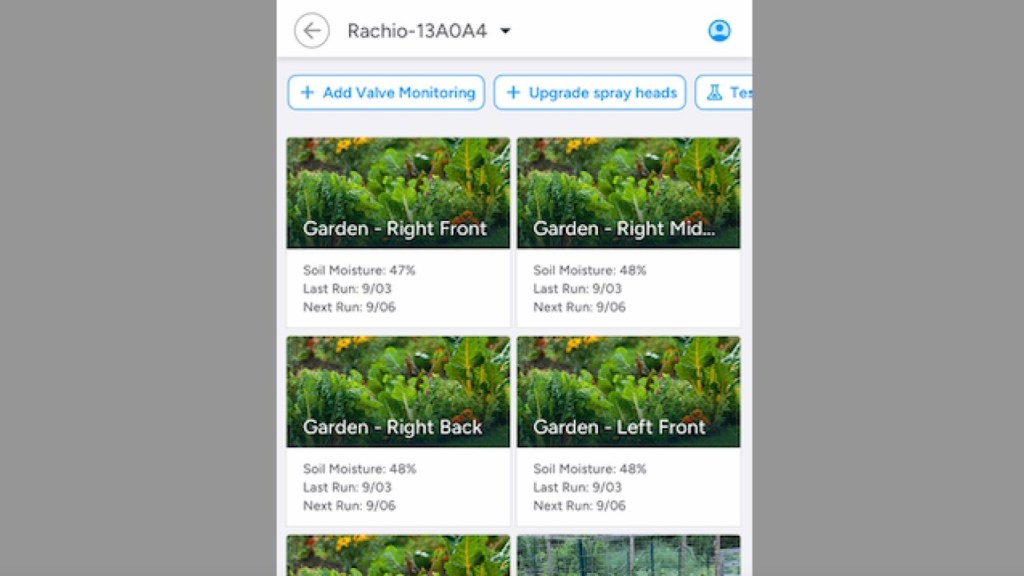
On the farm, vegetables don’t pause just because I’m on vacation. Nature moves forward. That means I need reliable systems to ensure things happen at the right time. Some of this is automated (like drip irrigation) but there’s always work that requires human hands. Without clear guidance, I can’t just say, “Farmer Austin, take care of the farm while I’m gone.” For my son to truly help, I need to define what “taking care” means.
When I outline a process (whether verbally or in writing), stress drops for both of us. People want to help, but they also want to know what “good” looks like. Defining the standard gives everyone confidence and a way to measure success.
A simple example: packing orders for IMO customers. Linda and I have found a rhythm. She prints the orders, prepares the bags, weighs the portions, and calls them out. I pick the herbs, fill the bags, and mark the orders as ready in the system. We both put out the sign and umbrella together. Because our roles are clear, order pickup day feels less like a scramble and more like a team effort.
At ThreeWill, we use EOS as our guide to capture and document core processes. The more we simplify, the less stress we feel and the easier it becomes to identify what should be automated. Over the past few years, I’ve learned that simpler processes are more likely to be followed. Complexity creeps in naturally, and the discipline is in pruning it back.
Whether in farming or consulting, clarity in process is what allows you to step away without everything falling apart. The simpler the system, the easier it is to scale and the more freedom you gain to focus on what matters most.
This post first appeared on September 5, 2025 in Sowing Success, my weekly LinkedIn newsletter on leadership and organic farming. Read the original on LinkedIn.


