Many principles that lead to success in business also apply to gardening. Whether you’re cultivating a thriving garden or building a profitable company, the same mindset—planning, investment, care, and risk management—is essential.
1. Planning and Strategy: Laying the Foundation for Success
Just as a business needs a solid business plan, a productive garden starts with a well-thought-out strategy. Before planting, you consider factors like seasonality, soil conditions, and plant compatibility. In business, the same logic applies—you identify your market, assess demand, and develop strategies to position your products or services effectively. A lack of planning in either domain can result in wasted resources and missed opportunities.
💡 Business Parallel: Conducting market research is like testing soil quality before planting. Both help ensure you’re set up for success before committing resources.
🌱 Software Tip: If you’re looking for a planning tool that helps you map out your garden and visualize your layout, I highly recommend Seedtime. As a software person, I’ve been very impressed with what they’ve built—it allows you to create planting schedules, track tasks, and optimize your space efficiently. Just as businesses use project management tools to streamline workflows, Seedtime helps gardeners stay organized and productive.
2. Investment and Resources: Fueling Growth
Every garden starts with an investment—seeds, soil amendments, tools, and labor. Similarly, businesses require capital, equipment, and human resources to grow. Both endeavors demand careful budgeting and prioritization to maximize efficiency and yield.
💡 Business Parallel: Entrepreneurs must decide how to allocate resources, just like gardeners determine where to focus energy—whether on high-yield crops or long-term soil health.
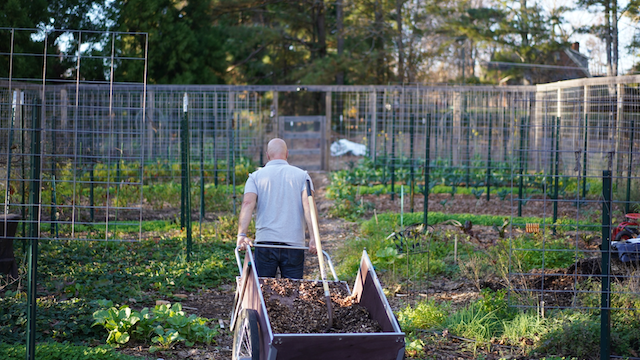
🌱 Garden Tip: Compost is the magic resource that pays dividends both for this year’s crop and the future of your soil. It transforms Georgia’s dense red clay into loamy, nutrient-rich earth teeming with microbial life. Just as businesses reinvest in infrastructure and people to build long-term success, adding compost is an investment in the soil’s health, improving fertility, water retention, and resilience year after year.
3. Maintenance and Care: Consistency is Key
A garden doesn’t thrive on autopilot, and neither does a business. Regular watering, weeding, and pest management keep plants healthy, just as ongoing customer engagement, product development, and process optimization keep a business running smoothly. The key is consistency—small, daily efforts compound into long-term success.
💡 Business Parallel: Proactive customer service and continuous process improvement are the “watering and weeding” of business—ensuring it remains competitive and resilient.
🌱 Garden Tip: Proactive weeding is one of the best investments you can make in maintaining a healthy and productive garden. Removing weeds early prevents them from competing with your vegetables for water and nutrients, giving your plants the best chance to thrive. Plus, a well-kept, weed-free garden is not just more productive—it brings peace and satisfaction rather than the stress of managing an overgrown, chaotic space. A little effort each day keeps the workload manageable and the garden enjoyable.
4. Growth and Harvest: Reaping What You Sow
The joy of gardening comes when plants mature, and the harvest begins. But just as a thriving business doesn’t happen overnight, a bountiful garden is the result of patience and persistence. Whether you’re launching a new product or waiting for tomatoes to ripen, success requires endurance, adaptability, and the ability to learn from setbacks.
💡 Business Parallel: Entrepreneurs celebrate milestones—new clients, increased revenue, or product launches—just as gardeners rejoice when their crops are ready for harvest.
🌱 Garden Tip (and Sales Tip 😉): One of the greatest rewards of a productive garden is sharing your harvest. Selling at a local farmers market is a great way to connect with your community, and for me, bringing homegrown vegetables when meeting a new client is a unique way to share my passion. There’s something special about handing someone a perfectly ripe, sun-warmed tomato—it almost always brings a smile. Just as businesses thrive on relationships, sharing what you grow builds goodwill and deeper connections.
5. Risk Management: Preparing for the Unpredictable
Every gardener knows that unpredictable weather, pests, or disease can ruin months of hard work. Similarly, businesses must navigate economic downturns, shifts in consumer behavior, and industry disruptions. Mitigating risks—through diversification, adaptation, and contingency planning—is crucial in both fields.
💡 Business Parallel: Just as a gardener plants multiple varieties to hedge against crop failure, a business diversifies revenue streams to stay resilient during market fluctuations.
🌱 Garden Tip: Start seedlings with 10-20% more than you need to account for poor germination or early losses. Having backups ensures you won’t have gaps in your garden if some plants don’t make it. Also, for crops you really want to succeed, practice succession planting—sowing new seeds every 2-3 weeks. This spreads out your harvest, reduces the risk of total loss from unexpected frosts or pest damage, and keeps your favorite vegetables coming in continuously. Just as businesses adjust strategies to market conditions, gardeners can use these techniques to build resilience and ensure a steady, reliable yield.
6. Sustainability and Long-Term Vision
A short-sighted approach—depleting soil nutrients for quick results—will harm long-term yields. The same goes for business; focusing solely on short-term gains without considering sustainability can lead to burnout and instability. Investing in regenerative practices, whether in soil health or company culture, ensures future prosperity.
💡 Business Parallel: Businesses that invest in employee well-being, ethical sourcing, and long-term customer relationships build enduring success, just as sustainable gardening practices ensure fertile soil for years to come.
🌱 Garden Tip: The secret to a garden that improves year after year? The 3 C’s: Compost, Compost, Compost. Nothing builds soil health like organic matter. Adding compost consistently enriches the soil, feeds beneficial microbes, improves water retention, and boosts plant resilience. Just as businesses thrive by reinvesting in their people and systems, a garden flourishes when you continually replenish its foundation. Over time, what starts as struggling soil transforms into rich, loamy earth that practically grows abundance on its own.
Final Thought: Cultivate Success Like a Garden
Whether you’re running a business or tending a garden, success comes down to strategic planning, resource management, daily care, resilience, and a long-term perspective. Both require a mix of patience, adaptability, and a willingness to learn from nature. By applying gardening principles to business—or vice versa—you can cultivate growth, resilience, and abundance in both areas of life.
This post first appeared on March 21, 2025 in Sowing Success, my weekly LinkedIn newsletter on leadership and organic farming. Read the original on LinkedIn.


