The Rhythm of Refocusing
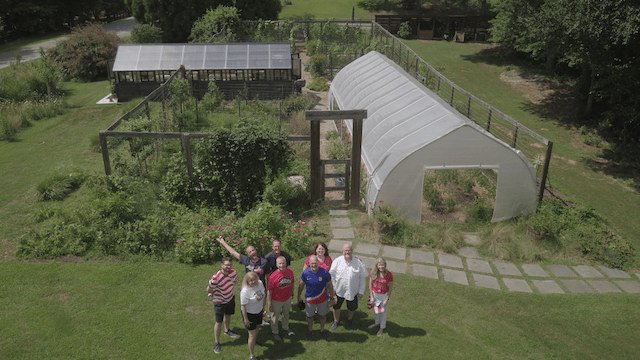
This past week, I had the ThreeWill team together at Iron Mountain Organics for our quarterly pulse (part of the EOS Worldwide operating system). Seeing the team gathered at the farm created an interesting connection between two important parts of my life. It also reminded me just how valuable a quarterly pulse can be for a business.
At ThreeWill, we use EOS to create a regular rhythm of planning and accountability. Our quarterly pulses give us an opportunity to step away from the daily demands of client work and look at the business as a whole. We revisit our goals for the year, evaluate our progress, identify what has changed, and decide where we need to focus next.
That rhythm has become critical to keeping the business healthy and moving in the right direction. It does not guarantee that everything will go according to plan, but it helps us recognize when we are drifting and gives us a chance to make adjustments before too much time has passed.
When the Farm Learns From the Business
Most of the time, I write about lessons the farm has taught me that I can apply to leadership and business. This week, I found myself flipping the script.
Iron Mountain Organics could learn something from ThreeWill.
The middle of summer can be an especially challenging time to think about planning. The days are hot, the weeds continue to grow, irrigation needs attention, and the crops already in the ground create an endless list of immediate tasks (like trellising tomatoes and cucumbers in my lower and lean system under the tunnel). It is easy to spend all my time reacting to what needs to be done today.
But fall is coming.
If I want a harvest in the fall, many of those seeds need to be planted now. I cannot wait for cooler weather to begin preparing for the next season. By then, I will have missed the window.
The farm needs its own version of a quarterly pulse. I need to step back from the daily work, look at the entire operation, and ask some of the same questions we ask at ThreeWill. What is working? What is not working? What have I learned from this season? What needs my attention now?
Planning Without Overplanning
The challenge for any business is finding a planning rhythm that does not feel like overplanning but still happens frequently enough to provide a needed boost.
Plan too often, and people can feel like they are constantly revisiting decisions rather than making progress. Plan too infrequently, and an organization may spend months investing energy in goals or activities that no longer deserve the same level of attention, or you may let the sand that fills the day guide the day rather than compelling rocks that will move the needle toward your annual goals.
A healthy planning rhythm creates enough time for meaningful work while also providing regular opportunities to learn and adjust. For ThreeWill, the quarterly pulse gives us that balance. We have time to pursue our priorities, see the results, and then come back together to realign around our goals for the year.
The farm needs that same discipline because farming, like consulting, requires constant adaptation. Weather patterns change. Crops perform differently than expected. Pests arrive. Equipment fails. The time and energy available rarely match what was imagined at the beginning of the season.
Planning is not about creating a rigid path that ignores changing conditions. It is about regularly lifting our heads, noticing what has changed, and deciding what the current season requires from us.
There is something fitting about planning quarterly. It seems to take a cue from nature, where conditions, priorities, and possibilities shift every three months.
Planting What Comes Next
There is something encouraging about realizing that a reset does not require solving every problem at once. Sometimes the most valuable result of a planning meeting is simply identifying what needs to be planted next.
On the farm, that might mean starting trays of fall seedlings, preparing beds, adjusting irrigation, or deciding which crops deserve another attempt. At ThreeWill, it might mean sharpening a service offering, having a strategic client conversation, improving a process, or committing to a company priority that will move us closer to our annual goals.
Those actions may feel small when they begin, but the future harvest depends on them.
The heat of summer may not feel like the beginning of a new season, but in many ways it is. What gets planted now will determine what is available in the fall.
Keep growing. Keep learning.
Farmer Tommy
This post first appeared on July 20, 2026 in Sowing Success, my weekly LinkedIn newsletter on leadership and organic farming. Read the original on LinkedIn.


