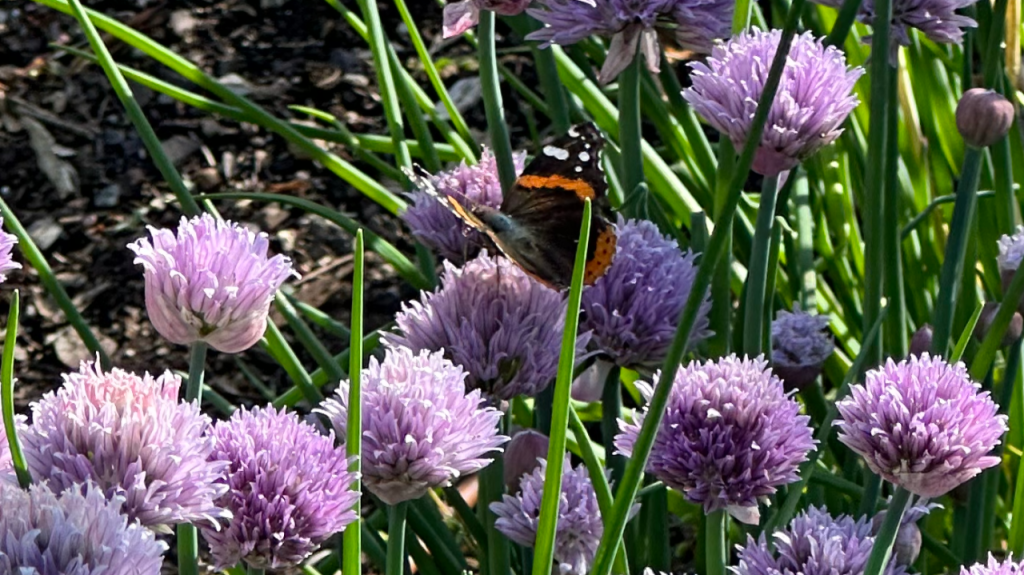
As my very large garden / mini-farm has matured over the past several years, I’ve found myself paying more attention to the herbs.
That wasn’t always the case. When I first began gardening, I was focused almost entirely on the vegetables that would produce the biggest harvest. Tomatoes, peppers, cucumbers, beans, and lettuce received most of my attention because they were what I imagined filling the harvest baskets each week. Herbs were simply tucked into the corners of the garden, almost as an afterthought.
Somewhere along the way, that changed.
This year I’ve continued expanding my herb garden with chives, rosemary, thyme, lemon balm, mint, and oregano, while also planting annual favorites like parsley, cilantro, and basil. They’re some of the easiest plants to overlook until it’s time to cook. Then you realize that a handful of basil can transform fresh tomatoes, rosemary can elevate roasted potatoes, and fresh thyme can completely change the character of a meal. Herbs may never be the centerpiece of dinner, but they often become the ingredient that people remember.
I’ve also come to appreciate that herbs do much more than season our food.
Many of them faithfully return year after year. Chives and rosemary reward us with beautiful blooms that attract bees and other pollinators long before I ever think about harvesting them. Those same flowers often find their way into a small vase on our dinner table, bringing a little of the garden indoors. The herbs quietly serve multiple purposes without asking for much attention in return.
Standing in the garden one morning, it struck me that organizations have herbs too.
Every business naturally focuses on its main crop. We should. Revenue, serving customers well, delivering projects, and building great solutions are why we exist. Those things deserve our best effort because they sustain the organization.
But over the years I’ve become convinced that healthy organizations aren’t built only by the work they produce. They’re also shaped by the small, intentional practices that bring out the best in the people doing the work.
At ThreeWill, one of those practices comes from EOS. Every leadership meeting begins with each person sharing a Personal Best and a Business Best from the previous week. It takes only a few minutes, but those few minutes have become one of my favorite parts of the meeting. Instead of immediately diving into numbers and issues, we learn what’s happening in each other’s lives.
One week we’re celebrating a child’s soccer tournament. The next week someone is excited about progress in their garden (ok that is me 😉). Another person talks about a motorcycle trip, learning a new guitar song, or enjoying time with family. None of those conversations solve a customer problem or close a sale, yet they do something equally important. They remind us that we are working alongside whole people with interests, passions, and lives beyond the office.
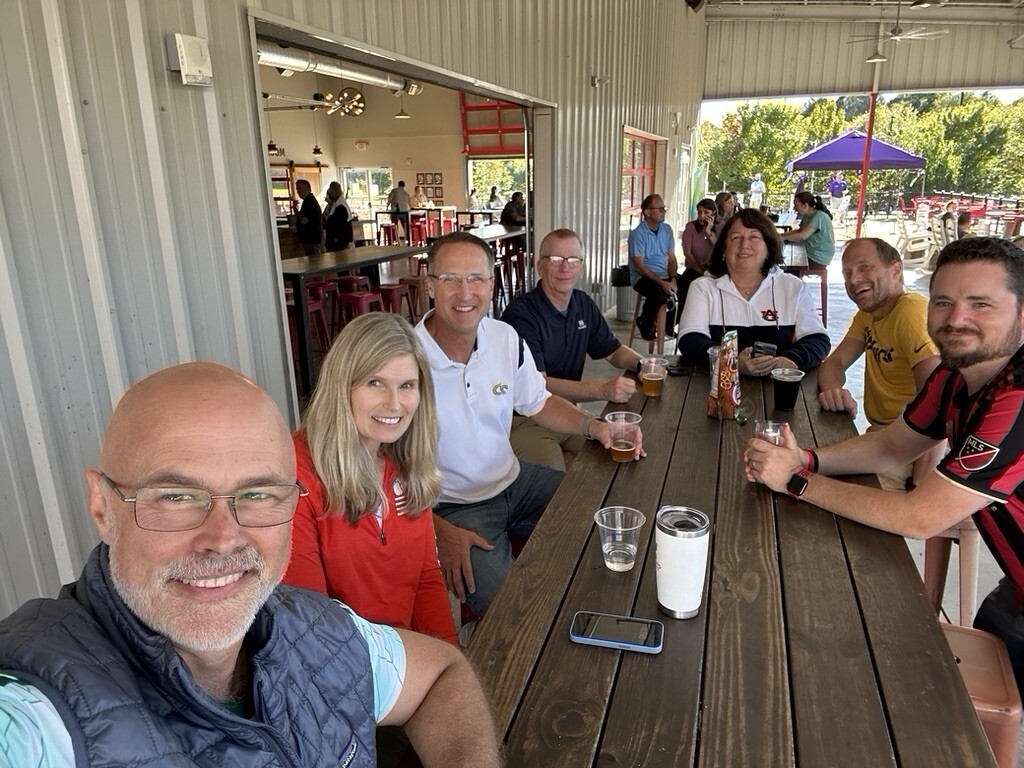
The same is true of our Pint Nights and other team gatherings. They may seem unrelated to the business on the surface, but they create relationships that make the business stronger. Trust grows more naturally. Collaboration becomes easier. Difficult conversations are handled with a little more grace because people know one another beyond their job titles.
I’ve realized those moments are the herbs of our organization.
They aren’t the main crop, and no one would point to them as the primary reason for our success. Yet they add something that spreadsheets and project plans never can. They create flavor. They create beauty. They attract people into the culture we’re trying to build, much like flowering herbs attract pollinators into the garden.
The older I get, the more I appreciate that the healthiest gardens are filled with plants that serve different purposes. Some provide the harvest. Others improve the soil. Others attract beneficial insects. Herbs seem to do a little bit of everything, quietly making the entire garden better.
Perhaps leadership works the same way.
It’s easy to focus all of our energy on growing the main crop because that’s what everyone measures. But if we intentionally cultivate the relationships, traditions, and conversations that help people feel known, appreciated, and connected, we often discover that everything else grows a little better too.
This post first appeared on July 3, 2026 in Sowing Success, my weekly LinkedIn newsletter on leadership and organic farming. Read the original on LinkedIn.


