Co-Founder and President of ThreeWill where they help employees thrive using Microsoft technologies. Other interests are healthy/organic living, spending time with family, and photography.
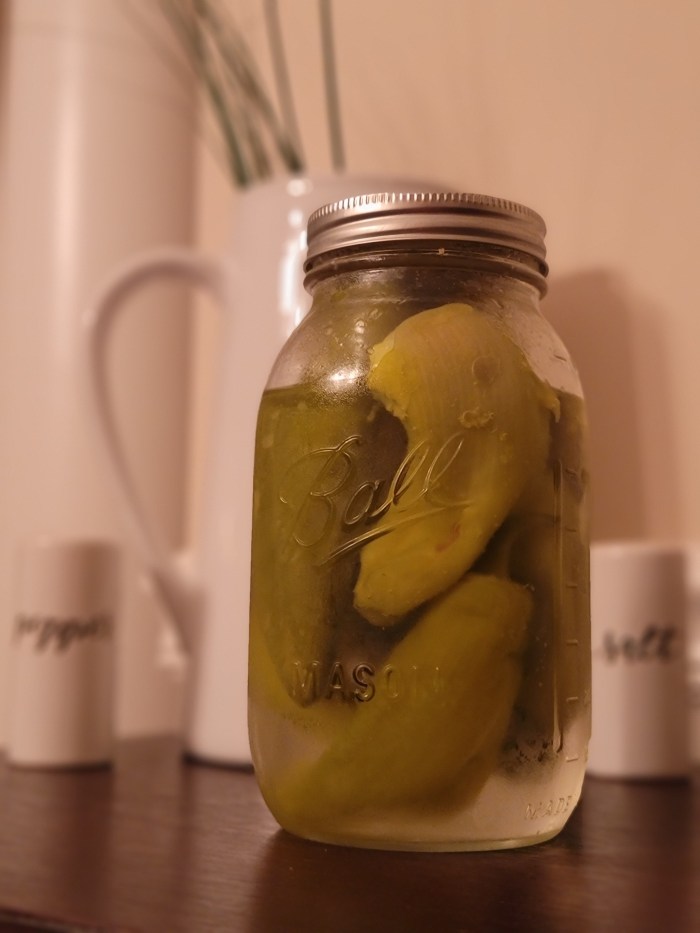
We got this recipe from one of our neighbors after we had them at a pot luck supper. Very simple and quick to make! We frequently share this recipe based on how much people enjoy these pickles.
Ingredients
3-4 medium to large pickling cucumbers
1 large sweet onion (sliced thin)
1 cup sugar
1/2 cup vinegar
1 teaspoon salt
1/2 teaspoon mustard seed
1/4 teaspoon celery seed
1/4 teaspoon tumeric
Instructions
Put all ingredients 2 quart microwave dish and cover
Cook 8 minutes (stiring halfway through)
Cool and put into refrigerator
Tips
Be sure not to slice the cucumbers too thinly. You want to keep about 1/6-1/4 in thick so they have more crunch.
As we settle into new ways to get work done in the workplace, creating a healthy work environment has become more important than ever before. With the increasing stress levels and fewer in-person interactions, it is vital to nurture your employees and provide them with the tools and resources they need to succeed.
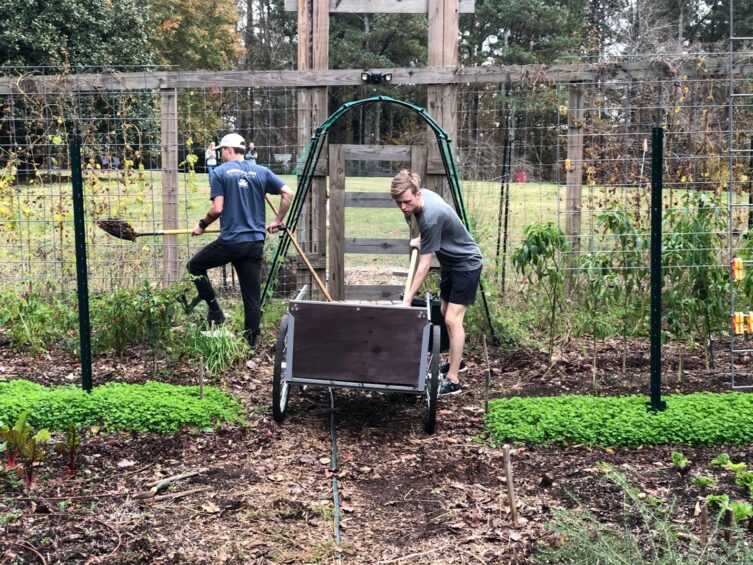
As a business owner and large-scale gardener (small scale farmer), I would like to explore how gardening can be used as a metaphor for creating a healthy work environment. Just like gardening requires nurturing, cultivating, and patience, creating a healthy work environment requires intentionality, care, and a consistent approach.
The Importance of Nurturing
Similar to how plants require sunlight, water, and nutrients to grow, employees need support, recognition, and encouragement to thrive. Nurturing your employees means investing in their growth and development by providing them with the necessary tools and support to perform their jobs effectively. This can include providing project opportunities that build skills, mentorship opportunities, and ongoing feedback and coaching. By investing in your employees’ growth and development, you can create a culture of learning and continuous improvement.
When employees feel supported and valued, they are more likely to be engaged and motivated, leading to increased productivity, creativity, and job satisfaction. Moreover, nurturing your employees can also help minimize attrition and reduce recruitment and training costs.
The Power of Collaboration
Gardening is often a collaborative effort, with different people contributing their skills and passion to get to an end product of a vegetable. There are a variety of underlying tasks that get to the point of having a vegetable. Picking what to grow, knowing when and how to grow it, the labor of sowing the seed, cultivating the ground, and harvesting the vegetable are a few of those tasks. Similarly, creating a healthy work environment requires collaboration and teamwork. Encouraging collaboration can lead to better communication, increased creativity, and a greater sense of belonging. You can create a sense of shared purpose and a more cohesive team by fostering a collaborative work environment.
Collaboration can also lead to diverse perspectives and ideas, which can help in problem-solving and innovation. Team diversity can produce stronger results by bringing in new ideas that just one person could never conceive, but you must be open and patient when considering ideas that are not your own. This has been a personal challenge of mine, but as I have learned to be more vulnerable to other people’s ideas, I have found that this has provided personal growth for me and others. Moreover, when employees feel included in the decision-making process, they are more likely to be invested in the organization’s success.
I have also found that being open to new ideas in gardening has been a significant part of my growth as a gardener. Be open to what my neighbors are trying and not think I do not have anything further to learn about a gardening topic.
The Benefits of Patience
Gardening requires patience, as plants take time to grow and flourish. Not only do you need the patience to wait out the time needed for a plant to grow, but patience with failures that inevitably come through making mistakes or trying new things. Similarly, creating a healthy work environment requires patience and persistence. Change doesn’t happen overnight, and it’s important to stay committed to the process, even when progress seems slow or you suffer setbacks when trying new things or setting goals beyond your current capabilities.
When creating a healthy work environment, it is essential to have a long-term perspective and not expect immediate results. It takes time to build trust, foster collaboration, and establish a culture of continuous improvement. By staying the course and remaining patient, you can create a work environment that is supportive, productive, and fulfilling.
Moreover, patience is also necessary when dealing with conflicts and challenges. Instead of taking a reactive approach, it is essential to address the root cause and work towards finding a long-term solution. Getting to the root cause is essential to growing beyond the current problems you face. I have found that putting a weekly discipline that operationalizes getting solutions in place is essential to your company’s growth and morale.
it is about creating healthy environments
In conclusion, gardening provides a powerful metaphor for creating a healthy work environment. By nurturing your employees, fostering collaboration, and practicing patience, you can create a culture that promotes growth, learning, and success. Just like a well-tended garden, a healthy work environment requires ongoing care and attention. But with the right approach, the rewards can be almost limitless.
Creating a healthy work environment is just beneficial no for the employees but also for the organization as a whole. It can lead to increased productivity, reduced absenteeism, improved employee engagement, and a positive brand image. Therefore, it is essential to invest in creating a culture that values and supports its employees.
quick side note
I find that there are aspects of my personal passions that I find beneficial to bring into my work environment. I am amazed at how much my gardening experience informs me of the natural laws of a work environment. Do you have a personal endeavor outside of work that informs you about improving your work environment? I would love to hear about that in the comments if you do.
Working with the land is a great teacher of natural principles that are transferable to leadership. The principles I have learned from vegetable farming can be carried over into our professional lives.
Law of the Harvest
Stephen Covey was a strong influence in the building of the consulting company ThreeWill. My brother (and co-founder) and I would take early walks before our workday to discuss the values of our future company. One concept that stuck with me from reading Stephen Covey was the “Law of the Harvest.” He shares the lesson you learn on a farm and you can not rush the process.
Did you ever consider how ridiculous it would be to try to cram on a farm—to forget to plant in the spring, play all summer and then cram in the fall to bring in the harvest? The farm is a natural system. The price must be paid and the process followed. You always reap what you sow; there is no shortcut.
Stephen R. Covey The 7 Habits of Highly Effective People: Powerful Lessons in Personal Change
For example, if you want to harvest green beans. There are some things you can do to shorten the time to harvest, but you still will need to wait at least 45 days to get green beans from the time you decide to grow green beans. You just can’t plant a green bean seed today and expect to harvest green beans from the plant tomorrow. As Steven Covey says, there is no cramming in farming.
Natural Laws on the Farm
In an instant gratification society (Amazon next day delivery and ordering fast food as examples) we can lose sight that accomplishments that you are proud of come through an intentional planned effort. In vegetable farming, there are several factors that go in a well planned harvest. I would like to share my experience with three of these concepts: Creating Fertile Ground, Planting Seeds and Tending the Field.
I will share some brief thoughts (these concepts can be their own posts) on these natural systems that occur in nature and then how that understanding can be translated to business and leading teams.
Creating Fertile Ground
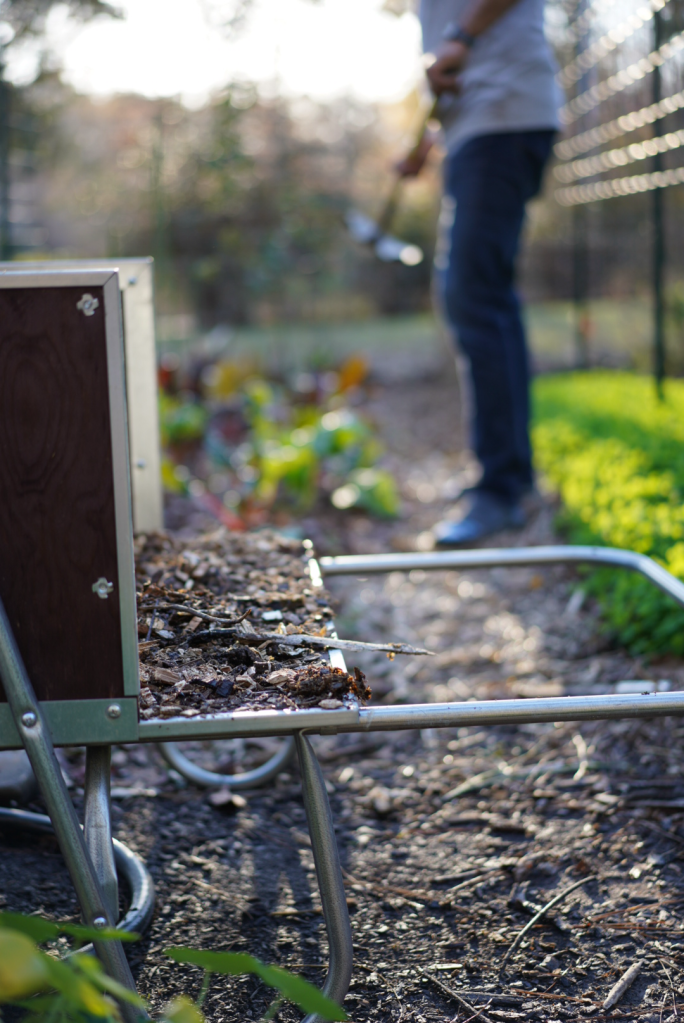
You feed your plants by feeding and caring for the soil. In organic vegetable farming, one key way to do this is through compost. In addition to compost, you can feed the soil through cover crop to increase biomass and carbon in the soil. Creating healthy soil will feed the plants and allow plants to have strong resistance to diseases and pests. This foundation of healthy soil is one of the key elements of a successful vegetable farm.
Planting Seeds
As simple as it sounds, you can’t have a harvest unless you start with a seed. With planting seeds, you need to think about what seeds to plant based on your goals for the farm and what plants you are prepared to nurture. One of the biggest challenges with farming is planting too many seeds and not having the time to properly take care of them.
Tending to the Field
Removing weeds early. Walking the field to see when an area of the field is suffering or under stress. Noticing the small things that could turn into bigger things. With farming, things can quickly get out of control if there is lack of care provided at early signs of stress or problems. For example, when you find blight on tomato leaves, you want to remove the leaves early before that blight spreads further into the tomato plant causing you to potentially lose the whole plant.
Translating thisto Business
Creating Fertile Ground Through Creating a Healthy Culture
A healthy company culture creates the fertile ground needed for ideas to “germinate and thrive!” The culture of a company can be compared to the soil on the farm. A heathy culture is a key foundational part of a thriving business. Just as poor soil yields unproductive crops, poor culture yields low trust, lack of common ground and overall can impact how your company can come together as a team and achieve challenging goals.
Planting Seeds By Casting a Vision
On a farm you sow seeds. In a business, you sow seeds through ideas, vision/mission and belief in your team. As mentioned in “Planting Seeds” above, you need to be careful to only sew the number of seeds you can tend to and nurture. It is easy to get overwhelmed with “sewing” too many ideas. It is better to have a business plan for the year that determines what are the right number of ideas (seeds) that need to germinate within your teams. Speaking from experience, a team can get easily get overwhelmed or confused if you plant too many seeds. Those ideas (seeds) compete with each other which will decrease the chances of that idea to come to fruition (or in farming terms – bear fruit).
Tending the Field through Understanding the Needs of the Team
Planting ideas (or seeds) in an organization can be the fun part. Coming up with the next great idea is exciting, but we all know the hard work is seeing that idea through to completion and getting good results. Seeing an idea through to completion requires showing up each day and “walking the farm.” Walking the farm to see what needs attention and to connect to what is working and not working through in person observations.
The plants of the farm can be in some way compared to the people of your organization. Your team needs the constant interaction to see what is working or not working along with getting a sense of what needs help before it becomes a true problem. For example, as a pepper plant matures it can get top heavy and topple over if you do not stake it. You want to do this same preventative maintenance with your teams. You do this by staying connected to your team members to be sure they are healthy and have the support they need to play their roles as they get their jobs done to the best of their ability.
Two Other Points of Comparison
Showing Up
Showing up is a key to the success in farming and success in business. Expanding on law of the harvest and tending to the field, it takes a consistent commitment to see results over time. It is the constant attention to detail over time that will show up in progress in the long term. If you don’t keep consistent with “showing up,” then things can degrade. You can get overrun with weeds or disease on the farm or have your business wither without attention to the health of the people in your company.
Embrace self governing systems
There is value in letting natural systems self-govern as much as feasible. Creating an environment where plants use their natural ability to adapt to their conditions will help make the plant stronger. You do not want to create dependencies to things that are available naturally. For example, you do not want to provide fertilizers if nutrients occur naturally in well amended soil (usually through nature provided nutrients in compost). Nature has a way of taking care of itself without our help (just look at an old growth forest). There are times we just need to get out of nature’s way. That also can apply to the people we lead. We sometimes need to get out of the way and let them learn through natural consequences that reinforce what works and does not work. If we shield people from failure, then they cannot grow from experiencing natural consequences.
In summary, I have reaffirmed what works in business through observing laws of nature and general experience that comes with the hard work of vegetable farming. These natural laws are not just limited to the farm, but carry over to our personal and professional lives. I would love to hear from others on how they see nature teaching them concepts or principles based on personal observations. You would be amazed to see what comes to mind when you stop and think about it. Please share your thoughts in the comments below. It does not have to be vegetable farming. It could be vegetable gardening, taking care of flower beds or just growing one plant on your porch. Looking forward to learning from others.
We had a IMO Customer mention this recipe to us when he was picking up his vegetables from the farm stand. This is a quick and refreshing way to enjoy fresh summer cucumbers!
Ingredients
2 medium cucumbers
1/4 cup vinegar
2 tablespoons sugar
2 tablespoons chopped onion
1 tablespoon lemon juice
1 teaspoon celery seeds
3/4 teaspoon salt
1/8 teaspoon pepper
Instructions
Score cucumbers with a fork and thinly slice.
Combine vinegar and remaining ingredients, stirring well.
Pour over cucumbers.
Cover and chill at least 4 hours
Tips
Depending on your tastes, you might adjust the balance between vinegar, sugar and lemon juice to better tune the proportions of the recipe.
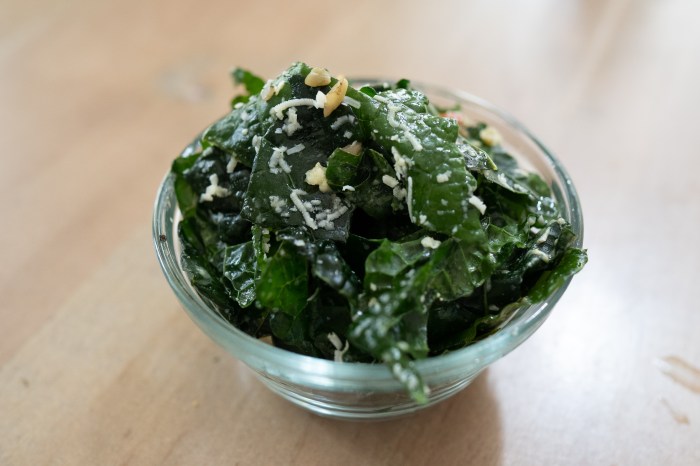
Pesto is a quick and easy sauce you can use on many things from pasta to green beans. You can make pesto from other greens besides basil (for example, mustard greens) and use a variety of nuts from pine nuts, pecans to walnuts. What is key to a good pesto is to toast the nuts.
Ingredients
1 1/2 cups firmly packed fresh basil leaves
1/2 cup pecan pieces, toasted
1/2 cup olive oil
3 cloves garlic, peeled
3 tablespoons lemon juice
1/2 teaspoon salt
pepper to taste
instructions
In a food processor, blend together all ingredients without oil and then add oil and blend until smooth.
Refrigerate leftover Pesto up to 5 days or freeze up to 3 months.
tips
If you want parmesan cheese, just sprinkle on each portion you use.
Oilve oil can be cut by 25% and could go 50% when replacing basil with mustard greens.
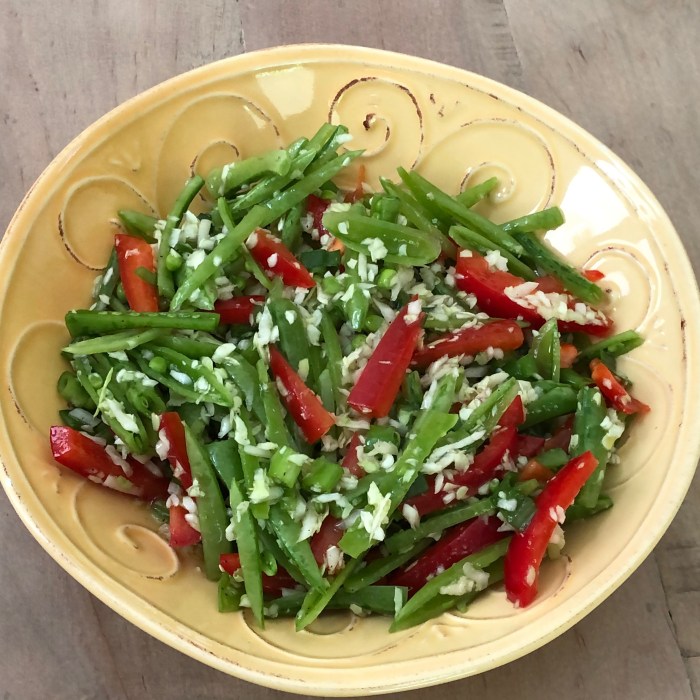
The two things we have in great abundance in early summer / late spring are sugar snap peas and scallions. This recipe is a great way to enjoy the natural texture and flavor that comes with fresh pea pods and scallions.
Ingredients
2 cups sliced sugar snap peas
3/4 cup julienne red pepper
3 scallions diced
3/4 cup shredded green cabbage
1/4 cup oil (light flavored)
1 Tbs Dolcedi or honey or agave
1 tsp lime juice
1/4 cup citrus champagne vinegar or white wine vinegar
1/4 tsp black pepper
salt to taste
instructions
Combine sugar snap peas, red peppers, scallions, and green cabbage in a large bowl.
Combine remaining ingredients and stir to combine. Toss with vegetables and serve chilled.
tips
This is a link to the source of the recipe “Sugar Snap Pea Easy Summer Slaw” from Joanie Simon’s website. We have also tried lime infused vinegar for the vinegar in the recipe and have enjoyed that as a substitution.
We have enjoyed our first three weeks at the Canton Farmers Market. We have had some repeat customers ask us for a schedule of the weeks we will be attending. Below is our schedule for the Canton Farmers Market for the Summer 2019 Season. Saturdays where we are not attending are noted and we will update if our schedule changes
This blog post contains very basic instructions on how to care for the typical vegetables we provide at Iron Mountain Organics. We will update this blog as we learn more about what works best. Feel free to add comments to this post for tips that work best for you.
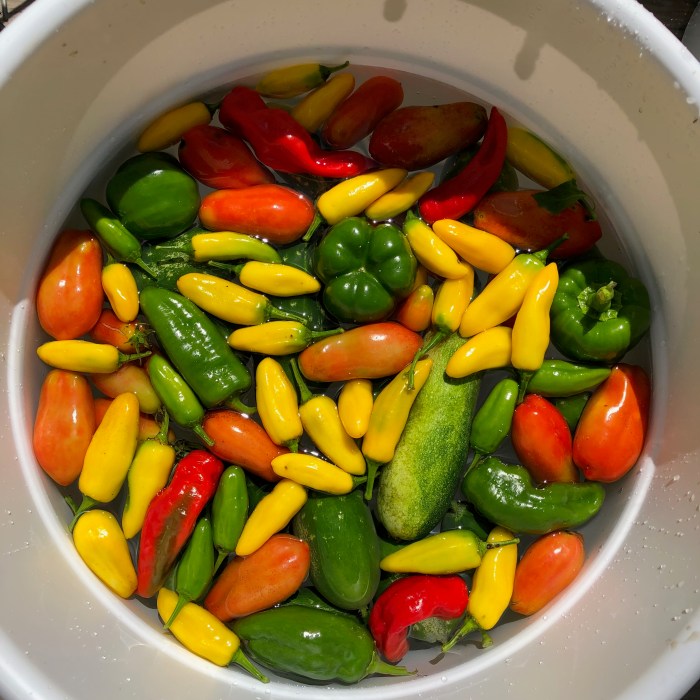
Fresh Greens, Beans, Peppers and Peas
If dirty, wash with water before refrigerating and dry before
storing them in a clean plastic bag with a few paper towels.
Tomatoes and Potatoes
Keep in a cool, dry place with good ventilation. They should be stored at room temperature and
washed just before using.
Other
Asparagus should be stored in the refrigerator, wrapped with
a moist paper towel or you can stand them up in a glass of cold water wrapped
with a damp paper towel.
Plastic bags with tiny vents help keep produce fresh longer
by releasing moisture. They are great for grapes, blueberries, cherries or
strawberries.
Keep whole melons at room temperature.
General Tips
Freezing fruits at home is a fast and convenient way to
preserve produce at their peak maturity and nutritional quality.
Freezing most vegetables at home is a fast, convenient way to
preserve produce at their peak maturity and nutritional quality. Freezing is
not recommended for artichokes, Belgian endive, eggplant, lettuce greens,
potatoes (other than mashed), radishes, sprouts and sweet potatoes.






 Iron Mountain Organics