Learning by Doing

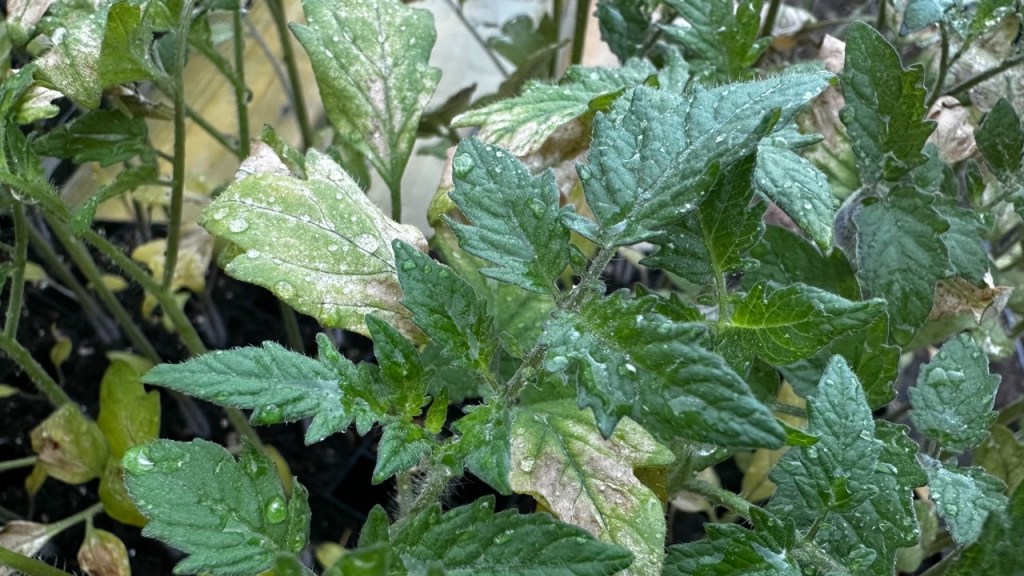
My Fried Transplant in the Greenhouse

This year has been full of learning opportunities on the farm. Some of those lessons have come through success. Others have come through mistakes.

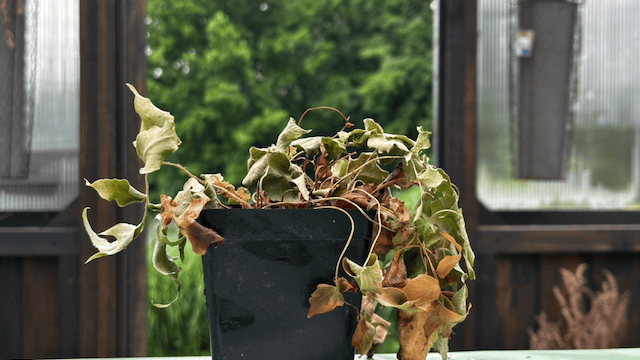
The picture above is evidence of one of those mistakes.

Earlier this season, I managed to fry a cutting in the greenhouse. What surprised me was how quickly it happened. On a sunny winter day, it can be 30°F outside while the greenhouse climbs well above 100°F. In this particular case, it reached roughly 115°F. What felt like a safe environment for growing plants turned into something very different in just a few hours.

At first, experiences like this are frustrating. We invest time into starting seedlings (or in this case, a cutting), setting up infrastructure, and caring for plants, only to watch something fail because of a decision we made or a variable we did not fully understand. Nobody enjoys those moments.

As I reflected on it, though, I realized that this is simply part of learning how to work with a new system.

This year, I have been experimenting with new equipment, new growing techniques, and new crops. The greenhouse has opened up possibilities that did not exist before, but it has also introduced new variables that I am still learning to manage. The only way to truly understand those variables is through experience.

That fried cutting taught me the importance of developing new routines. It reinforced the need to open greenhouse doors and windows at the right time. It reminded me that plants in that environment often need more frequent watering. It also helped me recognize that some crops are better started on basement grow racks before being transitioned into the greenhouse later in their development.

Those lessons were not found in a manual. They were learned firsthand through observation, adjustment, and experience.

The more time I spend farming, the more I realize that mistakes are often part of the tuition we pay to gain practical knowledge. Every season teaches something new. Every setback provides information that helps shape better decisions the next time around. While I would certainly prefer to avoid mistakes altogether, I have come to appreciate that many of the most valuable lessons arrive through failure rather than success.

Standing in the greenhouse yesterday made me think about leadership and growth within our team at ThreeWill.

Growth Through Experience

One of the lessons I continue learning as a leader is that people develop the same way farmers do. Reading, training, and coaching are all important, but there are certain lessons that can only be learned through experience.

As leaders, it is often tempting to step in and protect people from mistakes. We see challenges coming before they do. We know where the risks are. We know how we would handle a situation because we have already lived through similar circumstances ourselves.

The challenge is that growth does not happen when we do everything for others.

Growth happens when people are given opportunities to step into situations they have never encountered before. They develop confidence by navigating uncertainty. They develop judgment by making decisions. They develop wisdom by reflecting on what worked and what did not.

Recently, I gave Kirk Liemohn the opportunity to lead a conversation that he had not previously handled on his own. He had the raw material. He had the experience. He had the capability. What he needed was the opportunity to put those things into practice.

Could I have joined the call? Absolutely. In truth, I had my own call to prepare for, which forced me to let go a bit and created the opportunity for Kirk to step forward.

But part of leadership is recognizing when someone is ready to take the next step and then trusting them enough to let them do it.

What I have found over the years is that people often rise to the occasion when given that opportunity. They may not do it exactly the way I would. In some cases, they may find a better approach altogether. In other cases, they may encounter challenges that become valuable learning experiences. Either outcome creates growth.

The funny part is that the team immediately recognized what was happening.

When they learned Kirk was taking on this new opportunity, Tim Coalson joked, “Kirk, I bet you’ll be in this week’s Sowing Success newsletter.”

If you know Tim, you can probably hear exactly how he delivered that comment.

His observation made me laugh, but it also reinforced an important point. Growth opportunities are often visible to those around us. They are the moments where people are trusted with something larger than they have handled before. They are the moments that stretch our capabilities and prepare us for what comes next.

Learning by Doing

As I reflect on both the greenhouse and the business, I keep coming back to the same conclusion.

There are some lessons that can only be learned by doing.

No amount of reading would have taught me exactly how that greenhouse behaves on a bright winter day. I had to experience it firsthand. In the same way, no amount of coaching can completely replace the experience of leading a difficult conversation, making a tough decision, or navigating uncertainty.

Experience has a way of turning knowledge into understanding.

The goal is not to seek failure, but to recognize that mistakes are often part of the learning process. They help us refine our systems, improve our judgment, and build confidence for the future. When we approach them with curiosity rather than frustration, they become valuable teachers.

That fried cutting may not have survived, but the lesson certainly did.

And that lesson will continue paying dividends long after the memory of the mistake has faded.

Until next time,

Cheers from Farmer Tommy!


This post first appeared on May 29, 2026 in Sowing Success, my weekly LinkedIn newsletter on leadership and organic farming. Read the original on LinkedIn.

The Wisdom Beneath the Surface

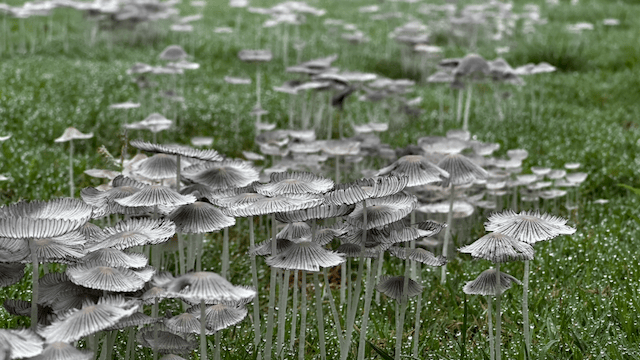
Mushroom fruiting bodies in the yard
I Found These Mushroom Fruiting Bodies in Our Yard This Morning

The Wisdom Beneath the Surface

This week, I noticed mushrooms popping up through some Bermuda turf I planted last fall. Most people see mushrooms in a lawn and assume something has gone wrong. When I saw them, though, I smiled because I knew they were signs that something healthy was happening beneath the surface.

When we established the turf, we incorporated a significant amount of woody compost to help build organic matter and improve the long-term health of the soil. Seeing mushrooms emerge now is a visible reminder that the ecosystem underneath the grass is active and functioning the way nature intended. The fungi are breaking down the lignin from the woody material and returning nutrients back into the soil. The mushrooms themselves are simply the fruiting bodies pushing up through the grass for a short season before eventually fading back into the system that produced them.

I never stop being amazed by how natural systems continue improving the soil when we allow them to function according to their design. Nature rarely forces outcomes directly. Instead, healthy ecosystems create the conditions for growth, resilience, and renewal over time. The health underneath the surface eventually produces visible fruit above it.

As I stood there looking at those mushrooms, it immediately made me think about leadership and engineering teams.

Healthy Systems Produce Healthy Fruit

In business, especially in technology consulting and software engineering, there is often a temptation to control outcomes through layers of oversight, approvals, and management. Some structure and accountability are necessary, of course, but I continue finding myself drawn to a different question. How do we create healthy systems that naturally produce good outcomes over time?

I do not want our teams to depend entirely on management intervention for every decision or every challenge. Instead, I want us building an environment where trust, shared values, healthy communication, documentation, accountability, and ownership allow people to thrive and self-govern well together.

The more I reflect on it, the more similarities I see between healthy soil ecosystems and healthy organizational cultures. Much of the important work happens beneath the surface where you cannot immediately see it. You cannot always see trust forming between team members. You cannot always see judgment improving or confidence growing. You cannot always see people learning from one another or developing the instincts that lead to better decisions.

But eventually, the fruit appears.

You see it in stronger collaboration. You see it in better software solutions. You see it in team members stepping up without being asked. You see it in clients feeling supported and cared for. Healthy systems eventually reveal themselves through the quality of what they produce.

Letting the Ecosystem Work

One of the ongoing leadership challenges for me is discerning when I should step in directly and when I should allow healthy systems to do their work. I constantly find myself asking whether I am creating conditions that help natural processes emerge or unintentionally creating dependency on control.

Nature keeps reminding me that healthy systems are often more durable and powerful than tightly controlled ones. That does not mean lack of structure. Healthy ecosystems still have boundaries, rhythms, and order. But within those systems, there is room for life to adapt, mature, and strengthen naturally over time.

That feels increasingly important to me as our team matures and as we continue building a company designed to last beyond any one person.

Sometimes the best thing a leader can do is not control every outcome, but instead create the conditions where healthy outcomes emerge naturally through trust, clarity, accountability, and shared purpose.

This week, mushrooms in the grass reminded me of that truth once again.


This post first appeared on May 24, 2026 in Sowing Success, my weekly LinkedIn newsletter on leadership and organic farming. Read the original on LinkedIn.
Who Tends the Farm When You’re Gone?

View from Sullivan's Island, SC
View from Sullivan’s Island, SC

One of the quiet lessons I continue learning from both the farm and business is this:

Vacations test systems.

This past week, my family spent time at the beach together. It was a meaningful chance to reconnect, slow down a bit, and enjoy time away from the normal routines of work and the farm. As we head home, I am grateful we took the time to step away.

But if I’m honest, taking time off is one of the hardest things for me as a business owner.

There is always one more thing to finish. One more email to send. One more task that feels easier to just do myself. Stepping away forces me to confront an important question:

Have I built systems and relationships strong enough that things continue moving forward without me?

Testing the Systems

While we were away, the next-door neighbor girls helped watch over the farm. They watered, checked on things, and helped keep everything alive and thriving.

At the same time, the ThreeWill team continued operating through the core processes we have spent years building together.

One thing that stood out to me this week was seeing our COO, Kirk Liemohn, step in on a task I did not get to before PTO. Not only did he move the work forward, but he also took the time to improve the related core process documentation so the knowledge was no longer sitting only in my head.

That part mattered to me.

Too often in growing organizations, important operational knowledge lives as tribal knowledge. It stays trapped in conversations, habits, or the memory of a few key people. The problem is that systems built around heroic individuals eventually create bottlenecks.

Healthy organizations build repeatable clarity.

That does not mean removing people from the process. It means creating systems that allow more people to contribute with confidence.

Trust Creates Growth

What I continue seeing over and over again is this:

People often rise to the occasion when they feel trusted.

When leaders step away, it creates space for others to lead, solve problems, and build confidence. Sometimes we unintentionally limit the growth of those around us because we hold on too tightly to every responsibility.

Trusting people does involve risk. Things may not happen exactly the way we would have done them. But that is part of growth, both for the leader and the team.

And in many cases, the team grows stronger because of it.

I think this is especially true when trust has been built steadily over time through shared experiences, consistency, accountability, and care for one another.

Strong systems matter.

But trust is what allows those systems to truly work.

The Goal Is Not Dependence

On the farm, I do not want every vegetable surviving only because I am personally standing beside it every hour of the day.

In business, I do not want every decision, process, or project depending entirely on me either.

Healthy farms and healthy organizations both require resilience. They require distributed responsibility. They require people who understand the mission and are empowered to act.

Ironically, stepping away is often one of the best ways to see whether that resilience actually exists.

This week reminded me that building systems is important, but building people may matter even more.

And sometimes the greatest sign of growth is realizing things can continue growing well while you are away for a little while.


This post first appeared on May 15, 2026 in Sowing Success, my weekly LinkedIn newsletter on leadership and organic farming. Read the original on LinkedIn.
The Courage to Experiment

Strings on rollers for lower and lean trellising in the high tunnel
Strings on Rollers for This Year’s Experiment: Lower and Lean Trellising in the High Tunnel

This spring is full of growth for me on the farm. Not just growth from the vegetables, but experimentation.

This year, I’m trying several new things at once. We are propagating vegetable starts in the greenhouse. We added a high tunnel to grow lettuce, beets, tomatoes and cucumbers earlier in the season. I’m grafting tomatoes for better vigor and disease resistance. I’m trying a lean-and-lower trellising approach to maximize production and improve harvesting flow.

Some of these experiments are exciting because they hold the possibility of dramatically better outcomes.

Some of them are intimidating because I genuinely do not know if they will work.

That tension feels very familiar to me right now in business as well.

At ThreeWill, we have been pushing ourselves to get more specific about who we serve best and how we help them succeed. We continue refining our focus around Human Services organizations and asking deeper questions about where we can create the most meaningful operational improvement for leaders carrying significant responsibility every day.

The challenge is not simply building good technology.

The challenge is building the simplest possible path for busy Human Services leaders to achieve success without adding more complexity to their already full plates.

That requires experimentation too.

We test messaging. We test offerings. We test approaches. We try to listen more carefully to the problems leaders are actually facing instead of assuming we already know the answer.

And honestly, experimentation can create anxiety.

You wonder if you are picking the right direction. You wonder if the investment of time, money, and energy will produce the return you hoped for. You wonder if you are creating unnecessary risk by trying something different.

But farming keeps reminding me that staying still and settling for the status quo is usually the bigger risk.

If I never experimented with the greenhouse, I would not have earlier lettuce harvests this spring.

If I never experimented with the high tunnel, I would not be learning how much more control it gives me over quality and consistency.

If I never experimented with trellising methods, I would never discover a better system that scales more effectively over time.

Progress often comes from a willingness to try something before having certainty.

That does not mean being reckless. Good experimentation still requires thoughtfulness, observation, and discipline. But it does require accepting that not every idea will become a breakthrough success.

Some experiments produce growth.

Others produce wisdom.

Both are valuable.

I think one of the healthiest things we can do as leaders is continue placing ourselves in situations where we are learning again. Situations where we are not fully comfortable. Situations where we have to observe carefully, adjust quickly, and stay humble enough to admit when something is not working.

Because every meaningful improvement on the farm or in business usually starts with someone willing to try something new.

I am learning that experimentation is less about getting every decision right and more about staying curious enough to keep moving forward.

What are you curious about right now? What experiment will you try this spring or summer?


This post first appeared on May 9, 2026 in Sowing Success, my weekly LinkedIn newsletter on leadership and organic farming. Read the original on LinkedIn.
The Pressure of Spring

Tommy talking with T. Loren Funk at the farm
Life is Busy and Glad I Made the Space to Talk to Loren at the Farm

Spring brings on a certain type of healthy tension. On the farm, everything wants to be planted at once. The seedlings are ready, the weather is finally cooperating, and the window to act feels both wide open and incredibly narrow at the same time.

This year, I have felt that pressure in a different way. I have had less time than I would like to step into the work of getting everything planted. Not because things are off track, but because there are good things happening at work and meaningful moments happening at home. Life feels full in a way that I am grateful for, but that fullness still creates pressure and forces decisions.

When You Can’t Do It All

When time gets tight, the belief that everything can get done starts to fade. That has been a healthy reminder for me. Instead of trying to do it all, I have had to focus on what matters most and take small, steady steps forward.

A few beds planted. A handful of trays moved. One decision at a time.

It is not dramatic progress, but it is real progress. And there is something grounding about that. It shifts the mindset from trying to catch up to simply moving forward with intention.

Constraints Create Clarity

What has stood out most in this season is how much the time pressure has forced me to rethink how I do the work. When time is limited, you naturally begin to ask better questions. Is there a simpler way to do this? What actually matters here? What can I let go of for now?

Constraints have a way of challenging the status quo. Not because we are seeking change, but because we need to find a better path forward. That pressure, while uncomfortable, can lead to clarity that we might not have found otherwise.

A Lesson from the Team

I saw this play out at ThreeWill this past week. I challenged Will Holland to produce a Cultivating Care video in a single day (note this is with T. Loren Funk who is pictured above). That is not how long it took for the first video with Pastor Cagle, and it created a level of pressure that required quick decisions and tradeoffs.

It was not easy, and it stretched him. At the same time, it created an opportunity to think differently about how the work gets done. By compressing the timeline, he had to simplify the process and focus on what truly moved things forward.

What came out of that experience was more than just a finished video. It was a clearer, more efficient flow that we can now build on for future recordings. What started as a constraint turned into a learning opportunity that will benefit us going forward.

Not More Time, Better Focus

On the farm, there is still plenty left to plant. At work, there are still more ideas than hours in the day. That tension is not going away, and I am learning to accept that.

This season is reminding me that progress does not always come from having more time. In many cases, it comes from having less time and being forced to focus. Less time narrows attention to what matters most, and that focus leads to action.

Even small actions, taken consistently, move things forward.

A Simple Way Forward

If you are feeling the pressure of your own spring season, I would offer something simple that I am trying to practice myself. Pick the next right thing and do it. Then move to the next one.

At the same time, stay open to the idea that the constraint you are feeling might actually be helping you find a better way. What feels like pressure in the moment can often become clarity when you step through it.


This post first appeared on May 1, 2026 in Sowing Success, my weekly LinkedIn newsletter on leadership and organic farming. Read the original on LinkedIn.
The Return of Abundance

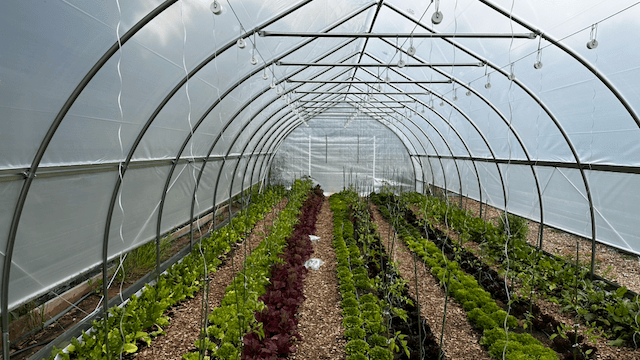
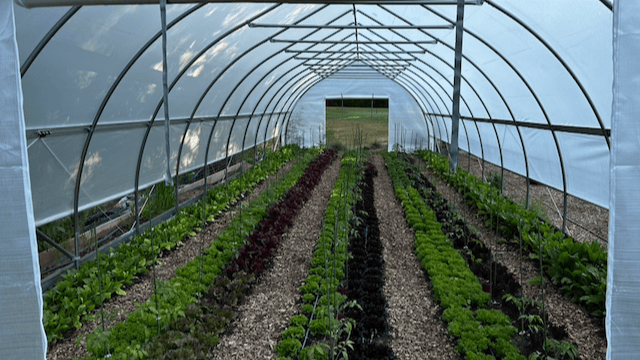
Rows of lettuce in the high tunnel
A recent picture of the rows of lettuce in the high tunnel.

The changes of the seasons are great reminders of life experiences, and this transition from winter to spring has been significant to me. Winter has a way of stripping things down to their essentials. And if I’m honest, in the first 3 months of this year, I have felt a winter season in my business, with some uncertainty and a lack of the growth I was hoping for.

But then something shifts.

When the Greens Come In

This week, I walked out to the high tunnel and saw it clearly. Lettuce everywhere. Full, vibrant, and ready. Not because it happened overnight, but because of the quiet work that came before it. The planting, the tending, the waiting.

Abundance rarely announces itself when it’s being built. It shows up later, when you finally have the space to see it.

Abundance at Home

At home, abundance has looked different, but just as real. Having my daughter here for a few weeks, along with my two grandsons, one just four months old and the other two years old, has filled the house in a way that is hard to describe.

There is something grounding about simply being in the same space. Holding them, laughing with them, and just being present. That kind of abundance doesn’t show up on a calendar or a dashboard, but you feel it deeply when you slow down enough to notice.

Abundance at Work

And in the business, I’m starting to feel it again too. After some challenging years, there is traction. There is momentum. There are opportunities that feel aligned with who we are and where we are going.

Nothing is perfect, but there is a sense that things are moving in the right direction. It’s easy to forget during the harder seasons that those stretches are often preparing us, stretching us and making room for what comes next.

What the Farm Keeps Teaching Me

The farm has a way of reinforcing a simple truth. Abundance is seasonal. It comes and it goes, but it is rarely random. The barren seasons are not wasted seasons. They are forming something, strengthening something, and getting us ready to better recognize and receive what comes later.

And maybe even more importantly, they help us appreciate it when it arrives.

Don’t Miss It When It’s Here

When abundance shows up, it’s tempting to move quickly past it. To focus on the next goal, the next milestone, or the next problem to solve. But the farm doesn’t rush past abundance. It leans into it, harvests it, shares it, and enjoys it.

Maybe that’s the invitation for all of us this week. To pause, to look around, and to notice what is growing.

A Simple Question

What are you seeing become abundant in your life right now? And are you giving yourself permission to soak it in?

At the end of the day, abundance is not just something we build toward. It is something we are meant to recognize, receive, and share.


This post first appeared on April 24, 2026 in Sowing Success, my weekly LinkedIn newsletter on leadership and organic farming. Read the original on LinkedIn.
When Stress Strengthens Growth

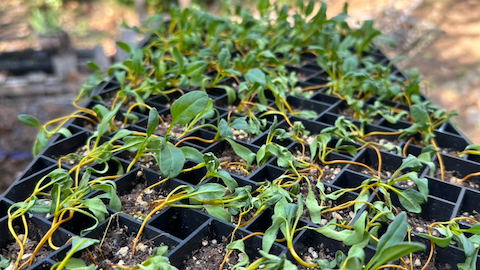
Beets after a long day of heat and before being watered

What Spring Is Really Teaching Me

Spring has a way of pulling our attention toward what’s visible. The green growth, the early flowers, the sense that everything is finally coming to life. But as I’ve spent more time on the farm these past few weeks, I’ve been reminded that spring is not just about growth.

It’s also about stress.

A Different Kind of Environment

Right now, my vegetable starts are teaching me this lesson in real time. With the warmer temperatures and steady wind we’ve been getting, they are drying out much faster than I expected. Some of these trays need water almost daily, which is a big shift from when I was growing in the basement under artificial light with controlled airflow and consistent conditions.

The greenhouse has changed everything. More sun, more heat, more exposure to wind (for ventilation). More stress. And I can see how the plants respond. Some are thriving in it. Some are struggling. All of them require more attention from me.

This new environment is shaping them, and it’s forcing me to stay closer and more observant. Because the same conditions that can strengthen a plant can also overwhelm it if I’m not paying attention.

The Kind of Stress That Builds

There’s something important happening in that tension. Plants that experience wind develop stronger stems. Plants that grow in natural light adapt in ways that controlled environments don’t quite replicate. When they are stretched just enough, they tend to become more resilient over time.

But there’s always a line.

Too little stress and they stay fragile. Too much stress and they break.

Finding that balance is not easy, and I’m realizing it requires presence more than anything else. Watching closely. Responding quickly. Adjusting based on what I’m seeing instead of what I expected.

Bringing This Into the Business

I’m seeing the same pattern show up in our business.

We’ve created a new environment for how we operate. New ways of thinking, new expectations, and new challenges (this thing called AI 😉). That naturally brings stress, not the kind that comes from chaos, but the kind that comes from growth and stretching into something new.

I can feel it in myself, and I can see it across the team.

And just like on the farm, the goal isn’t to remove that stress. The goal is to care for people within it. To stay close, to pay attention, and to make adjustments when needed so that the stress builds strength rather than causing burnout.

Holding the Balance

Because if handled well, this kind of stress can be healthy. It can build resilience. It can prepare us for what’s ahead. It can lead to better fruit.

If handled poorly, it can do the opposite.

That’s the balance I’m learning to hold right now. Allow the stress, but don’t let it break what you’re trying to grow. Challenge, but support. Push forward, but stay present enough to know when to ease off.

A Thought to Carry Forward

On the farm, plants don’t grow in spite of stress. They grow because of the right kind of it.

The same is true for us as human beings.

At the end of the day, growth needs stress, but it also needs someone paying attention.


This post first appeared on April 18, 2026 in Sowing Success, my weekly LinkedIn newsletter on leadership and organic farming. Read the original on LinkedIn.
Who Tends the Farm When You’re Gone

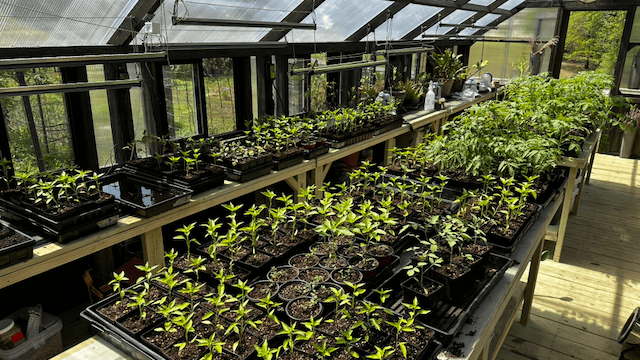
The Pepper and Tomato Transplants in the Greenhouse

Where Results Really Come From

On the farm, results don’t show up by accident. They come from rhythm.

Watering at the right time, opening the greenhouse in the morning, closing it up at night, checking the weather, and adjusting as needed. Then doing it again the next day. It’s not exciting work, but it is what makes everything else possible (and honestly, I enjoy having these daily rhythms).

I’m realizing the same is true in my work at ThreeWill. The outcomes we care about, better experiences for employees, clearer processes, stronger results, come from consistent rhythms. Daily habits, weekly planning, and small actions that compound over time. Not heroic effort, but repeated effort. That’s where the real progress lives.

The Hidden Fragility of Good Rhythms

Here’s the part I’m wrestling with right now.

Those rhythms work really well when I’m there. But what happens when I’m not?

As I look ahead to a beach trip in May, I’m realizing something uncomfortable. I’ve built rhythms that depend heavily on me showing up every day, and that creates a kind of fragility. The moment I step away, those rhythms are at risk of breaking.

Instead of feeling excited about time away, there’s a low hum of stress in the background. Will things be okay? Will the plants get what they need? Will the business keep moving forward?

Building Rhythms That Don’t Depend on You

I’m starting to see that good rhythms aren’t enough. They need support.

On the farm, that looks like investing in systems. Drip tape, timers, and simple ways to make sure watering happens whether I’m there or not. I can check on things from my phone, adjust when needed, and trust that the basics are being handled.

But not everything can be automated, so I’m also investing in people. Neighbors who are stepping in to help water the greenhouse, open it up in the morning, and close it down at night. It’s simple work, but it matters, and it creates a shared understanding of what it takes to grow healthy food.

At ThreeWill, I’m seeing similar opportunities. I can get ahead on writing and schedule content so it goes out while I’m away. I can block my calendar to avoid creating work that has to be undone later. I can delegate meaningful responsibilities that give someone else a chance to grow. It’s not just about coverage, it’s about designing the system so it works without you.

Chaining Habits Into a Week That Works

What’s becoming clearer is that results don’t come from isolated actions. They come from how those actions connect.

A good day feeds a good week, and a good week builds momentum. When those habits are chained together intentionally, they create something durable. But durability requires thinking beyond yourself. It requires asking, “If I stepped away for a week, would this still work?”

If the answer is no, that’s not a failure. It’s an invitation to build something stronger.

An Invitation Before Summer

As you look ahead to summer, here’s what I’m asking myself, and maybe it’s helpful for you too:

What are one or two rhythms I rely on every day? And what would it take to make sure those rhythms continue without me?

Maybe it’s a simple system. Maybe it’s a conversation with someone who can step in. Maybe it’s creating space for someone else to grow into responsibility.

A good vacation isn’t just about stepping away. It’s about knowing that what you’ve been building continues to stay healthy in your absence.

I’m not all the way there yet, and I never will be. This is a continual work in progress for me.


This post first appeared on April 11, 2026 in Sowing Success, my weekly LinkedIn newsletter on leadership and organic farming. Read the original on LinkedIn.
The Work Before the Harvest

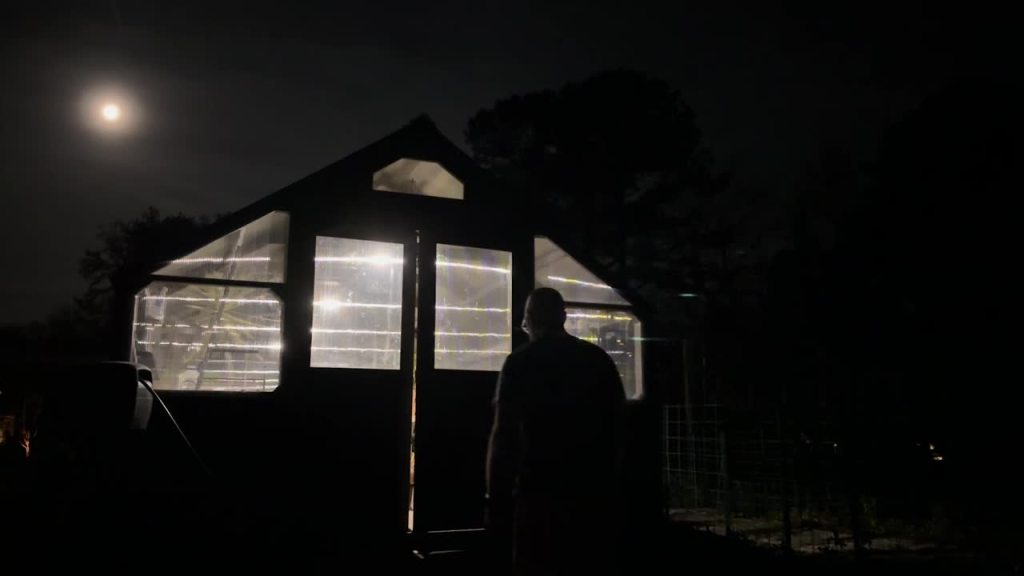
The greenhouse lit up in the early-morning dark
This Morning’s Work in the Greenhouse

This edition opened with a short video from the greenhouse. Watch it on LinkedIn.

There is a part of farming that no one really sees.

It is not the harvest. It is not the full beds of lettuce or the baskets of food ready to share. It is everything that comes before.

Lately, that has meant early mornings. Getting up at 4:30 or 5:00 AM to steal a few quiet hours before the day begins. Potting up seedlings. Watering trays. Making space in a greenhouse that is quickly filling up. It is steady, repetitive work that does not feel glamorous, but it is essential.

Because the truth is simple. There is no such thing as an overnight harvest or an overnight success.

Before anything grows, there is planning. Preparing beds. Mixing soil. Starting seeds. Watching closely. Adjusting constantly. Nurturing something fragile before it ever has a chance to take root in the field.

The farm keeps reminding me of something I also see in business.

We celebrate outcomes. But outcomes are built on unseen effort.

A new client, a strong quarter, traction in a new market. These moments can look like they appeared quickly from the outside. But behind them are months, sometimes years, of preparation. Conversations that went nowhere. Ideas that did not land. Systems that had to be refined. Teams that had to learn how to move together.

There is a long stretch where it feels like you are just… preparing.

And that is where the real work is happening. What I am learning right now is to be present in that part of the process.

Because the joy is not only in the harvest.

It is in having something meaningful to work toward. It is in figuring things out alongside a team. It is in the quiet rhythm of doing work that matters, even when no one sees it yet.

There is something grounding about getting your hands in the soil. Simple, repetitive work that clears your mind and restores your energy. It is a different kind of productivity. One that heals while it builds.

On the business side, it looks like working through how to gain traction in a new market. Testing. Adjusting. Staying patient when results are not immediate.

On the farm, it looks like trays of seedlings slowly filling a greenhouse. Both require the same thing.

Consistency. Care. And a willingness to trust the process before the results show up.

So right now, I am choosing to enjoy the work. The early mornings. The preparation. The slow progress.

Because I know what it leads to.

And when the harvest comes, it will be meaningful not just because of what was produced, but because of everything that went into it.


This post first appeared on April 3, 2026 in Sowing Success, my weekly LinkedIn newsletter on leadership and organic farming. Read the original on LinkedIn.

Growth Needs Light, But Not All at Once

Seedling with sunscald-yellowed leaves and healthy new growth
The yellowing in the leaves came from sunscald this season. As you can see, new growth has come after this with better care around exposure to light.

Spring has a way of waking up hope.

As I write this, I’m getting ready to head out and harvest the first flush of lettuce from the field. Some of that lettuce will go to my first and best customer, my wife. Honestly, the lettuce I grow is part of what makes this whole beautiful and chaotic farming life tolerable to her. And later today, I’ll be hand-delivering the first bag of lettuce to a client.

There is something deeply satisfying about those first deliveries of the season. They carry more than food. They carry anticipation. They carry effort finally becoming visible. They carry the reminder that growth is happening, even when it felt hidden for a while.

That is one of the gifts of spring. It renews our excitement for what is possible.

And as I think about what it takes to bring new life forward, one idea keeps standing out to me this week:

New growth needs light.

On the farm, light is essential to getting spring vegetables established and thriving. But there is a catch. You cannot take a tender young seedling from artificial light or protected conditions and suddenly expose it to the full intensity of outdoor sun without consequence. If you do, the plant can suffer sunscald. Too much light, too fast, and the leaves burn.

I know this not just in theory, but from experience. Every season seems to offer me another reminder of what not to do (see header image of this year’s reminder).

So the transition has to be managed. It has to be paced. You need routines and systems that help young plants adjust gradually to stronger light. Not because light is bad, but because even something good can be harmful when it arrives without care.

That feels true far beyond the farm.

A new employee needs light.

A new client relationship needs light.

A new patient or person receiving care needs light.

By light, I mean information, context, guidance, clarity, and encouragement. The things that help people orient themselves and grow with confidence.

But just like seedlings, people do not usually thrive when they are blasted with everything at once.

Too much information can create the human version of sunscald. Overwhelm. Confusion. Hesitation. Loss of confidence. A person can start to shrink back, not because they are incapable, but because they were exposed to more than they could absorb in that moment.

That is why growth requires more than enthusiasm. It requires restraint.

When we start something new, we are often eager to share everything we know. We want to explain the whole system, the whole vision, the whole history, the whole roadmap. Our intentions are good. We are trying to help.

But wisdom asks a better question:

What is the right amount of light for this moment?

That takes situational awareness.

It means meeting people where they are rather than where we wish they already were.

It means recognizing that the next step matters more than the whole staircase.

It means understanding that clarity is not dumping all available information on someone. Clarity is giving them what they need to take the next logical step with confidence.

Not all at once, but at the right pace.

This is true in leadership.

This is true in relationships.

This is true in client service.

And this is especially true in change.

At ThreeWill, we try to apply that mindset through our Community Management service. Every customer is at a different point in their productivity journey. Every organization has different pressures, habits, blind spots, and levels of readiness. If we overload them with too much change, too much information, or too much possibility all at once, we can actually slow growth instead of supporting it.

So we calibrate. We look at the challenges people are facing, pay attention to where they are in the journey, and try to provide the right level of light at the right time. Enough to help them grow with confidence, but not so much that they get overwhelmed and pull back. Spring keeps reminding me that growth is not just about providing what is needed. It is also about providing it in a way that can be received.

That is what good farming does. That is what good leadership does. That is what good care does.

So this week, as the season begins and the first lettuce heads out to people I care about, I’m reminded that excitement alone is not enough to nurture new life well.

New things need light.

But they need light with wisdom.

They need light with timing.

They need light with care.

And when we get that right, growth has a much better chance to take hold.


This post first appeared on March 27, 2026 in Sowing Success, my weekly LinkedIn newsletter on leadership and organic farming. Read the original on LinkedIn.