What the Farm Teaches Us About Giving Forward

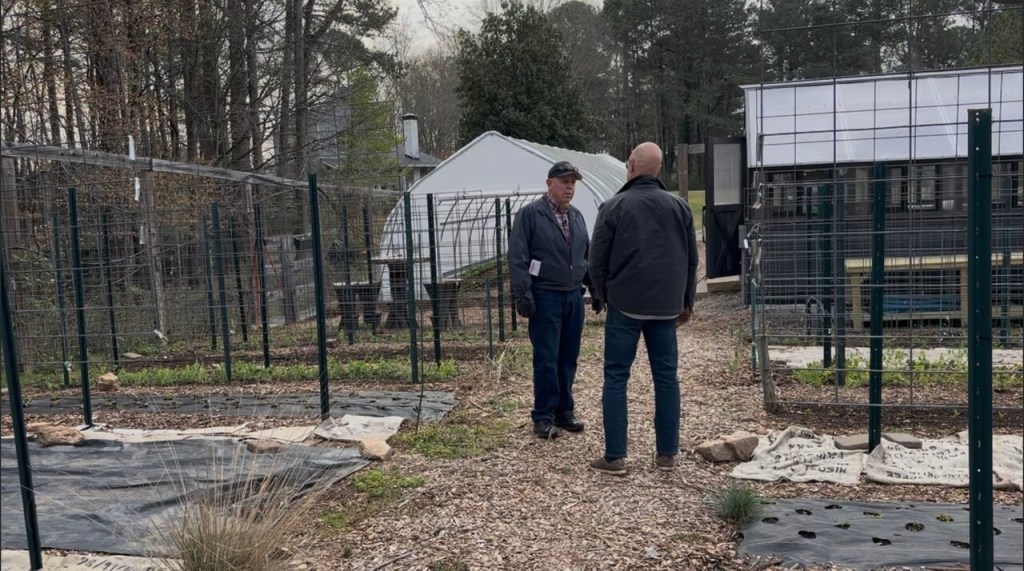
Randall Cagle and Tommy talking on the farm while Will records
Randall Cagle and I on the Farm as Will Records Our Conversation

This edition includes a short video. Watch it on LinkedIn.

This week marked a meaningful milestone for Cultivating Care.

Yesterday, we recorded our first interview, and I could not have asked for a better first guest than Randall Cagle.

Randall serves in human services through his work as a pastor in Milton, Georgia, and he is someone I have had the privilege of knowing for more than 25 years. He is one of those people who always seems to have wisdom ready, not in a polished or performative way, but in the steady, grounded way that comes from living, serving, and paying attention.

He is also an avid gardener.

That meant we could have easily spent the entire conversation swapping notes on all the practical ways we try to cultivate care in the garden. Things like seed starting, pest pressure, and the kind of creative problem-solving that only gardeners or farmers understand. In fact, one of the more memorable moments was us talking about using a boom box covered in plastic in the garden to scare off raccoons that want to help themselves to the corn. There is something wonderfully human about that kind of ingenuity.

But eventually, we pivoted from caring for vegetables to caring for people.

And that is where the conversation deepened.

One of the things that stood out to me is how often nature gives us language for understanding the deeper parts of life. So much of ancient wisdom, especially biblical wisdom, leans on the natural world to explain things that are otherwise difficult to grasp. Seeds, soil, pruning, harvest, vines, roots, fruit. These are not accidental metaphors. They help us understand patience, formation, dependence, surrender, generosity, and care.

That came alive in our conversation.

We both walked away with something practical and something personal.

For Randall, it was a gardening takeaway. He is going to try using straight vermiculite to germinate tomato seeds as a way to reduce the chances of damping-off disease.

For me, it was a leadership and spiritual takeaway.

A phrase that stuck with me was giving forward instead of giving back.

There is something subtle but important in that shift. Giving back can sometimes sound like repayment, as if generosity is a way of settling an account. Giving forward feels different. It carries the spirit of offering something freely, without keeping score, without expecting return, and without needing the exchange to be even.

On the farm, life is constantly being offered forward. A mature plant gives in a way that benefits what comes next. It releases something that it may never directly enjoy, but that still matters for the health of the whole. In that sense, creation is not sustained only by exchange. It is sustained by abundance and by gifts that move beyond their original source.

That feels closer to the kind of care we most need in our lives, our communities, and our work.

It also feels deeply relevant to those serving in health and human services. Real care is rarely transactional. The best caregivers, leaders, pastors, and helpers are often the ones who show up with open hands. They give because it is needed. They give because people matter. They give because they themselves have received grace somewhere along the way.

That kind of giving changes people.

This will be the first video we are producing for Cultivating Care, so there may be a little time before it is ready to release. First efforts always come with a learning curve. But I am excited to share it when it is ready.

More than anything, I am encouraged by what this first conversation represents.

It is one more reminder that care can be cultivated.

It can be cultivated on a farm. It can be cultivated in friendship. It can be cultivated in faith. And it can be cultivated in the daily work of serving people well.

I am looking forward to sharing this conversation soon, and to continuing this journey of exploring what it means to cultivate care, both on the farm and in the world of health and human services.


This post first appeared on March 20, 2026 in Sowing Success, my weekly LinkedIn newsletter on leadership and organic farming. Read the original on LinkedIn.
The Strength We Borrow

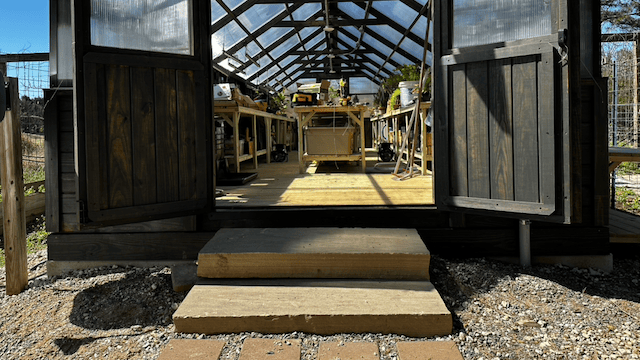
New stone stairs leading to the greenhouse
New Greenhouse Stairs, Made Possible by Community

Sometimes progress depends on tools you do not own

One of the brightest spots on the farm lately has not just been the infrastructure improvements themselves. It has been the people who helped make them possible.

I do not have a tractor, which means there are some jobs I simply cannot do on my own. And recently, I have found myself depending on the generosity of friends, neighbors, and family to move forward on projects that would otherwise stay stuck.

What has struck me is that they did not just bring equipment. They brought creativity, judgment, and willingness.

That looked like figuring out how to lift a 1,500-pound bag of soil at the upper limits of what a tractor could handle. It looked like carefully setting stair treads that weighed more than 350 pounds each. It looked like problem solving in real time, with patience and good humor, to make something hard feel possible.

It is amazing what can be done with the right tools and the right people.

The stone steps in the header image are one of those fruits. Every time I walk up those solid steps, I will think about Jeff and the generosity that helped make them possible.

Asking for help is an act of humility

There is a part of me that wants to be self-sufficient.

I like being capable. I like figuring things out. I like making progress through effort and determination.

But this season on the farm has reminded me that self-sufficiency can quietly turn into isolation if I am not careful.

There are moments when the better path is not pushing harder on my own. It is humbly asking for help.

That is not always easy.

For many of us, giving help feels natural. Receiving it can feel uncomfortable. It can make us feel indebted, exposed, or somehow out of balance. I have even had moments of feeling guilty about how much help I have received.

But when those feelings come up, I have been trying to remind myself of something important.

In receiving someone’s gift of time, strength, or equipment, I am not just taking. I am also creating space for connection.

I am giving them the opportunity to show up as a good neighbor.

I am giving them the chance to participate in something meaningful.

And maybe just as importantly, I am helping build the kind of relationship where they may feel more comfortable asking me for help one day too.

Community often starts when someone is willing to receive

We often talk about community in terms of giving.

Show up. Pitch in. Be generous. Serve others.

And all of that matters.

But real community is not built only through giving. It is also built through receiving.

Someone has to go first in the cycle of reciprocity. Sometimes that first move is not offering help. Sometimes it is asking for it.

That is what creates the opening.

That is what tells another person, “You are needed here.” That is what turns neighboring into community.

Receiving can feel like weakness when you are used to being the one who carries things. But I am learning that receiving is its own kind of strength. It takes humility. It takes trust. And it takes a willingness to let relationships be uneven for a while, knowing they do not have to stay that way forever.

Not every season is balanced. Not every relationship is perfectly symmetrical in the moment. That is okay.

What matters is being open-hearted enough to receive, and awake enough to reciprocate when your time comes.

The lesson beyond the farm

This does not just apply to moving soil or setting stone steps.

It applies to leadership.

It applies to teams.

It applies to client relationships.

In business, many of us are far more comfortable being the helper than the one needing help. We want to be the one with the answer, the one bringing value, the one carrying the load.

But healthy teams and healthy partnerships are built on more than contribution. They are built on trust.

And trust grows when people know they can both give and receive.

Sometimes the strongest thing a leader can do is ask for help. Sometimes the healthiest thing a team member can do is admit they cannot do it alone. Sometimes the best thing a client relationship can include is enough honesty to say, “We need another perspective here.”

That kind of humility does not weaken a relationship. It deepens it.

What I am taking with me

These new steps on the farm are practical. They solve a real problem. They make the greenhouse more usable.

But they are also something more.

They are a reminder that progress is often a shared effort. They are a reminder that asking for help can be the beginning of stronger community. They are a reminder that generosity leaves a mark you can walk on every day.

And maybe that is one of the quiet gifts of this season.

Sometimes the infrastructure we are really building is not just on the land.

It is between people.

A question to carry with you

Where in your life or work might receiving help be the very thing that opens the door to deeper trust, stronger relationships, and a more meaningful kind of community?


This post first appeared on March 13, 2026 in Sowing Success, my weekly LinkedIn newsletter on leadership and organic farming. Read the original on LinkedIn.
One Year of Letting the Farm Teach

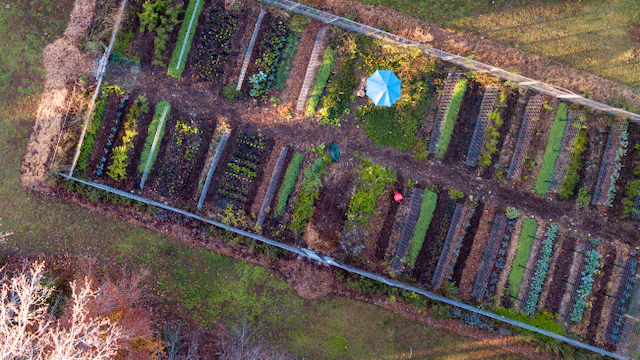
Aerial view of the farm before the high tunnel and greenhouse
A view from Above (without High Tunnel and Greenhouse)

Somehow, the one-year milestone of writing this newsletter slipped right past me.

About a year ago, I started sharing these weekly reflections. At first, it felt a little like a personal experiment. I simply wanted to pause each week and capture what working in the garden was teaching me about caring for people, nurturing relationships, and leading companies.

Looking back, this newsletter has essentially become a public journal.

It’s a place where I try to pay attention to what nature quietly reminds us about how life and work actually function.

Before going further, I want to thank Lisa McGuire, Ed.S.. She didn’t tell me to start a newsletter, but she deeply influenced why it exists. Lisa often talks about bringing your full, integrated self into business relationships. That idea stuck with me.

I realized that if that belief was true, then I shouldn’t separate my love of growing healthy food for my family, friends, and neighbors from the way I show up in business. Those two parts of my life are connected.

This newsletter is the result of that realization.


A small confession about encouragement

A quick personal side note.

My wife and I recently attended a couples event about the 5 Love Languages, and I discovered something about myself. My primary love language is words of affirmation.

That discovery made me smile, because recently several people have reached out to tell me they enjoy this newsletter and look forward to reading it each week.

Those comments mean more than people probably realize.

They have been the fuel that keeps me writing.

And I suspect for every person who says something publicly, there are probably ten or twenty more quietly reading along each week.

So thank you for being part of this little experiment in paying attention.


Three lessons the garden keeps repeating

Over the past year, a few themes have surfaced again and again. If you haven’t read these earlier articles, I’d encourage you to circle back to them. They capture some of the core observations that shaped this newsletter.

1. How You Run Your Garden Is How You Run Your Business

(From: How You Run Your Garden as a Business)

One of the first realizations that struck me is how similar a garden and a business actually are.

Both require:

• Patience • Risk management • Consistent attention • And the humility to adapt when conditions change

In the garden, weeds don’t wait politely. If you ignore them, they quietly take over and compete with what you actually want to grow. The same thing happens in organizations.

Small problems, unclear priorities, or neglected relationships can slowly crowd out the things that matter most.

The lesson is simple.

Success in both environments usually comes from small, consistent care rather than heroic bursts of activity.


2. Healthy Soil Creates Healthy Growth

(From: Gardening: A Metaphor for Creating a Healthy Work Environment)

One of the most important truths in gardening is that the real work happens underground.

Before you ever plant seeds, you have to prepare the soil.

In organizations, culture plays the same role.

If the soil is depleted, even the best seeds struggle. But when the environment is healthy, growth happens naturally.

Leaders often focus on performance, results, or strategy. Those are important. But the farm keeps reminding me that the environment determines what is possible.

Healthy soil produces healthy plants. Healthy cultures produce thriving people.


3. Joy Matters More Than We Admit

(From: Joy in Work and in the Garden)

Another lesson that keeps resurfacing is that joy isn’t a luxury.

It’s a signal.

When we find joy in the work we are doing, it usually means we are connected to purpose, relationships, and meaningful contribution. Whether that joy comes from growing vegetables, serving clients, coaching a team, or sharing a meal with friends, it reminds us why the effort matters.

Work will always have pressure, deadlines, and responsibilities.

But when we stay connected to the purpose behind the work, those tasks start to feel less like burdens and more like contributions to something meaningful.


The garden keeps speaking

One of the reasons I love working on the farm is that nature has a way of repeating the same lessons over and over until we notice them.

Patience. Care. Relationships. Environment. Joy.

These are not complicated ideas.

But they are easy to forget in the noise of daily work.

That is part of why I keep writing these reflections. It forces me to pause, observe, and remember what the garden is quietly teaching.


A question for you

As I look back on this first year of Sowing Success, I’m curious about something.

What is one place in your life or work where nature, a hobby, or a passion outside your profession has quietly taught you something about how to lead or care for others?

Sometimes the most important lessons are hiding in plain sight.


This post first appeared on March 6, 2026 in Sowing Success, my weekly LinkedIn newsletter on leadership and organic farming. Read the original on LinkedIn.
Transplanting Plants and People with Care

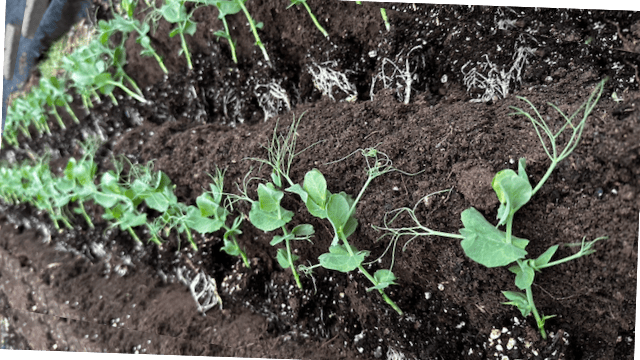
Snow pea transplants in the ground
Sugar Snap and Snow Peas are in the Ground (These are Snow Peas)

First transplants are coming

The high tunnel is making real progress, and the next milestone is getting the first plants into the ground. The first things going in are peas, kale, lettuce and beets, and they should be transplanted within the next week.

Before they go in, they need time to harden off under the tunnel so they can adjust to temperature swings and the intensity of real light. The goal is simple: help them transition without shock, so they can establish roots and start growing with strength.

Transplant shock is real (for people too)

As I think about transplanting, I can’t help but think about job role transitions.

When you move a plant from one environment to another, it’s not just “put it in the soil and hope.” You provide a little extra care at the edges. You reduce unnecessary stress. You give it time to adapt.

People aren’t that different.

Right now at ThreeWill, Kirk is stepping into a new COO role and Will is about a year into Marketing and Strategy. Both are being exposed to new responsibilities, new expectations, and new kinds of pressure. My job as a leader is not to “throw them in” and see what happens. It’s to nurture them with context, support, clarity, and steady encouragement as they ramp up.

Protection is not weakness

I saw a version of this lesson with sugar snap peas.

If you take starts that have been grown indoors and drop them straight into full outdoor conditions, you can create setbacks that were completely avoidable. That’s why I was mindful not to plant them right before temperatures dropped into the 20s with strong gusting winds. It’s not fear, it’s wisdom.

In leadership, the same principle applies. If you put people into turbulent situations, you may need to protect them from unnecessary stress so they can set roots in their new role. That protection can look like:

  • clearer priorities
  • fewer simultaneous changes
  • quick access to information
  • a safe place to ask “basic” questions
  • feedback that’s specific and kind
  • air cover when things get noisy

Not forever. Just long enough for the transplant to take. BTW, I am not perfect at this and taking time to reflect on this reminds me of how I should be leading my team.

A simple question to carry with you

Who in your world is in a transition right now that could go better with a little more “hardening off”?

And what’s one practical way you could nurture them this week so they can set roots and thrive?


This post first appeared on February 27, 2026 in Sowing Success, my weekly LinkedIn newsletter on leadership and organic farming. Read the original on LinkedIn.
Wiggle Wire, Willing Hands, and the First Signs of Spring

Will Holland working with wiggle wire on the high tunnel
Will Meets Wiggle Wire

This edition includes a short video. Watch it on LinkedIn.

The kind of help that builds more than a structure

This week, I had help on the farm from Will Holland as we knocked out some of the last details on the high tunnel build.

Will got a kick out of learning what “wiggle wire” is (it sounds made up until you’ve wrestled it into place). What stood out most, though, was his posture. Helpful. Curious. Willing to learn something new without needing to be the expert.

That kind of attitude builds more than a high tunnel. It builds trust.

Signs of spring are starting to speak

Even with cold mornings still hanging around, the farm is giving little hints that the season is turning.

Apple buds are swelling on the trees. Blueberries are showing the earliest start of their flower heads. And my lawn, a chaotic mix of species I’ve stopped trying to control, is beginning to pop green in patches.

It’s not spring yet. But it’s close enough that you can feel it.

Let the farm tell us when it’s time

We’re preparing to welcome the Cultivating Care Community to the farm. The purpose is simple and meaningful: to share lessons about how nature informs care for people, especially those living in chronic life situations where dignity matters deeply.

And we’re letting the land set the pace.

When the farm greens up a bit more, that will be our signal that the space is ready. We’ll start lining up conversations for April and May, when the garden is teeming with life and will naturally inspire conversations about care, dignity, and hope.

A reminder to enjoy the build-up

I can get overly focused on the “launch” of something. But this week was a good reminder that the lead-up is part of the gift.

We’re building a space for meaningful conversations, and we’re also making sure we enjoy the journey that gets us there. Having one-on-one time with Will and figuring a few things out together was fun. Doing the work with someone different than you not only gives you fresh insights, it creates momentum and heightens the anticipation for what’s coming.

What’s coming soon (and an invitation)

While we were working, Will captured some of my thoughts on what I envision for Cultivating Care. That video should hit my LinkedIn feed soon (and likely ThreeWill’s and Will’s as well).

If you know someone who leads in Human Services in the Atlanta area, I’d love a warm introduction. I’m building a guest list of leaders who care deeply about their people and want to create more space for care in a world that needs much more of it.

Also, beyond conversations on the farm, we’re creating a second space: a Cultivating Care Community Breakfast. More details soon. Our target is late March / early April for the first one. Stay tuned.

One small encouragement as I close: Let the season arrive in its own time. In the meantime, prepare the ground and build with the kind of people you’re grateful to work beside.


This post first appeared on February 21, 2026 in Sowing Success, my weekly LinkedIn newsletter on leadership and organic farming. Read the original on LinkedIn.
Building a High Tunnel (and Wrestling with Control)

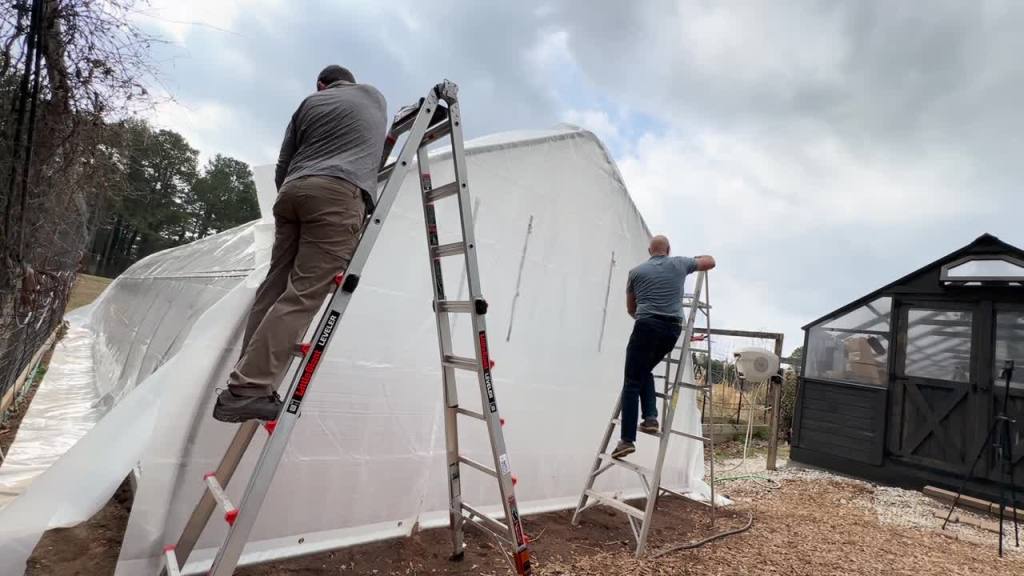
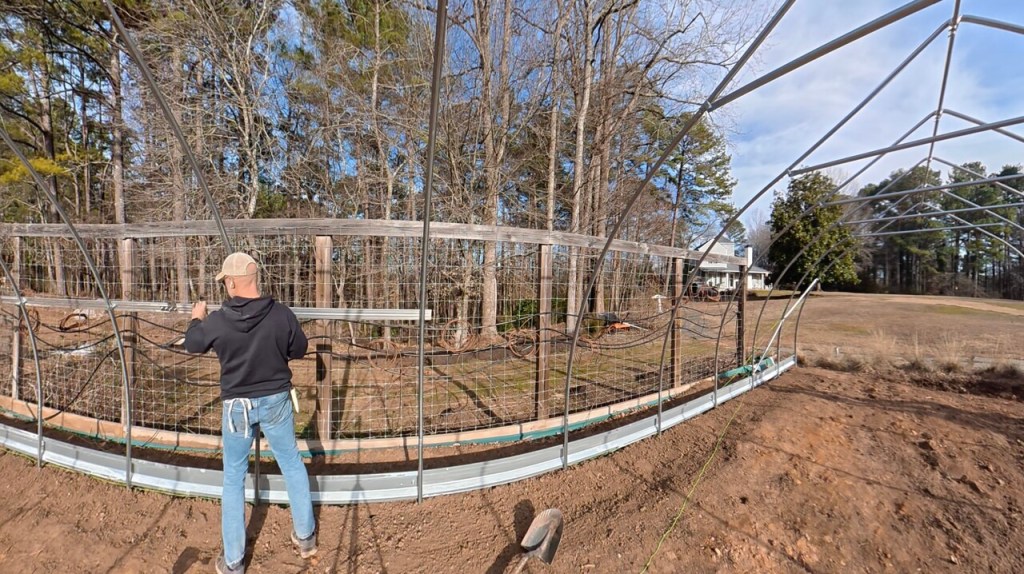
Installing the double channel that holds the high tunnel plastic
Installing the double channel that will hold the greenhouse plastic in place.

This edition includes a short video. Watch it on LinkedIn.

This week, the high tunnel continues to take shape.

There’s something honest about building a structure like this. It is a very human act. We take metal bows, braces, purlins, and plastic and try to create a little more predictability amid the realities of nature.

Growing in living soil in the South means accepting humidity, heavy rains, sudden downpours, and long stretches of damp heat. It means watching tomato skins split after moisture swings. It means soil splashing onto leaves and inviting fungal pressure. It means planning carefully and still being surprised.

The high tunnel is my attempt to reduce some of those variables.

Not eliminate nature.

But steward it differently.

Under cover, I can manage rain. I can extend the season with the greenhouse effect. I can create more consistent moisture for tomatoes. I can protect lettuce from pounding spring storms. In theory, I can grow healthier food for our community with fewer losses and more predictability.

And yet, I have mixed emotions.

On one hand, I’m excited. I love learning a new system. I’m eager to see how this elevates our tomato and lettuce game at Iron Mountain Organics. I’m curious what becomes possible when you change the environment just enough.

On the other hand, this is one more piece of infrastructure to manage. One more thing to maintain. One more responsibility.

That tension feels familiar.

In business at ThreeWill, we wrestle with the same dynamic. Keep things simple and streamlined. Avoid unnecessary complexity. At the same time, experiment. Build new offerings. Try new approaches. Risk small failures in pursuit of meaningful growth.

The question is not whether to build.

The question is why.

If the structure creates more life than burden, it is worth it.

If it amplifies your ability to serve, it becomes stewardship, not excess.

And to keep this real, I’ll share in the comments a picture of my first failure from last year’s propagation greenhouse. Some early tomato transplants that did not make it. Lessons learned the hard way.

Failure is part of the process.

If you are not failing occasionally, you are likely not stretching.

So here’s my question for you: What is your high tunnel project for 2026?

What are you building that gives you a little more control, a little more leverage, and a little more ability to serve well?

It’s good to have something you are striving toward.

It’s even better when it grows more than just you.


This post first appeared on February 13, 2026 in Sowing Success, my weekly LinkedIn newsletter on leadership and organic farming. Read the original on LinkedIn.
Reinforcing the Frame

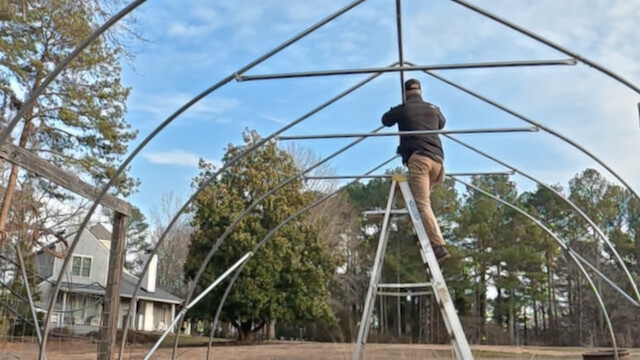
Installing the center purlin on the high tunnel
The High Tunnel Build in Action – The Center Purlin

This edition includes a short video. Watch it on LinkedIn.

This week on the farm, the high tunnel got stronger.

Over the past several days, I installed the wind bracing and the center purlin. Nothing about that sounds flashy, but you can feel the difference immediately. The structure stiffens. The whole frame starts to act like one thing, not a collection of parts. You can look at it and think, “Okay. This is becoming real.”

Strength shows up in the reinforcements

A lot of the work that matters most looks like this. Not the “big reveal,” but the reinforcing steps that keep everything from racking in the wind.

The video I’m sharing this week is a slice of the center purlin install, sped up to 40x. It’s a fun way to see progress quickly, but it also highlights something true: real progress is usually a long sequence of small, correct moves.

Bolt. Check. Measure. Tighten. Repeat.

Stick time matters

Recording this build has also given me stick time with our new 360 camera. We originally bought it for our upcoming Cultivating Care conversations at the farm, but it’s already doing something else for me: it’s helping me document the journey, not just the outcome.

There’s something powerful about watching your own work back. You notice what’s working. You catch what you missed. You build confidence through reps, not hype.

Human services keeps showing up in my “regular life”

Today I also had a visitor, Patrick Falgoust, who came out to see the progress. We ended up having our own mini conversation about Human Services and care, including the reality of disabled adult care in his world.

I keep running into this theme lately: Human Services is not “over there.” It’s in our neighborhoods, our families, our friendships, and the day-to-day lives of people I know.

And honestly, it’s reaffirming.

It makes me even more excited about where we’re headed at ThreeWill, and about the kind of work we want to be known for: reducing chaos, strengthening the routines, and giving people more time and capacity for real care.

The goal

On the farm, I’m excited about what this tunnel will unlock: more food for our local community, and a place to host people out here in spring.

The practical plan is to finish the install by the end of February, maybe the beginning of March, piecing it together through after-hours work, weekend work, and help from friends and family.

That’s how most good things get built!

After sharing this experience, I’ll leave you with a question: what’s one small reinforcing step you could take this upcoming week to make your team, your home, or your community a little stronger?


This post first appeared on February 6, 2026 in Sowing Success, my weekly LinkedIn newsletter on leadership and organic farming. Read the original on LinkedIn.
Better Together Builds the Tunnel (and the Relationship)

The family building the high tunnel bows in the snow
Building out the High Tunnel Bows with the Fam!

This edition includes a short video. Watch it on LinkedIn.

The structures that change everything

Some parts of farming are obvious. Seed goes in. Green comes up. Harvest happens.

But the biggest shifts usually come from the less glamorous work: building infrastructure. The things that don’t look like much in the moment, but quietly change what’s possible for years.

I remember building the first real structure on the farm: a composting system. It was a fundamental “this place is becoming real” moment. And what stands out is not just the lumber or the layout, but who was next to me. One of my salespeople at the time, Jon Brady, showed up and helped me build it. We built more than a compost system that day. We strengthened a relationship.

A high tunnel in a wind chill that had no business hosting humans

This weekend, I got another one of those “infrastructure days.”

Both my sons (Alex Ryan and Austin Ryan) came over to help build the bows for the new high tunnel going into the garden. And it reminded me why I love building things with people I care about.

It was -1°F with the wind chill, the kind of weather that makes you think twice about starting.

But we didn’t.

We came together step by step. Lift. Align. Hold. Bolt. Re-check. Repeat. We learned each other’s rhythms as we went. We kept each other warm with movement, laughter, and just enough grit to keep going.

And when we hit the final stretch, Linda Ryan jumped in, and so did Kona (Austin’s Australian Shepherd), right there with us in the snow. One more reminder that ‘better together’ doesn’t always look like a meeting. Sometimes it’s people showing up when it would be easier not to.

The soil has been preaching “better together” all along

What we experienced above ground is happening below ground all the time.

Healthy soil is not a solo act. It’s a community.

The soil food web is an ecosystem of bacteria, fungi, protozoa, nematodes, arthropods, earthworms, roots, moisture, oxygen, and organic matter, all exchanging value in a thousand quiet transactions. Nobody “wins” alone. The plant thrives because the system works together.

Not flashy. Not quick. Fundamental.

That’s the kind of “better together” that lasts.

Business works the same way

This is also what I’ve learned building relationships with clients at ThreeWill.

Starting the relationship can be the hardest part. It’s easy to assume you have to show up fully formed, fully certain, fully impressive.

But the best partnerships don’t start with perfection. They start with honesty and alignment.

They grow when both sides are willing to inspect, adapt, and lean into each other’s strengths and gaps. You learn how the other team thinks. You build a shared language. You reduce friction. You increase capacity.

Not “we deliver, you receive.” But “we build, together.”

An invitation

If you’re a Human Services leader and you’d like to see the high tunnel in person, I’d love to host you for a conversation in the garden.

Send me a DM if you’re open to it. We’re still building out our Cultivating Care guest list, and I’m genuinely excited about the leaders we’ll learn from this season.

One small note: If you’re reading this in a tough season, I hope you hear this with encouragement. You don’t have to build the whole thing today. But you also don’t have to build it alone.


This post first appeared on February 1, 2026 in Sowing Success, my weekly LinkedIn newsletter on leadership and organic farming. Read the original on LinkedIn.
Getting the Garden Ready for Cultivating Care

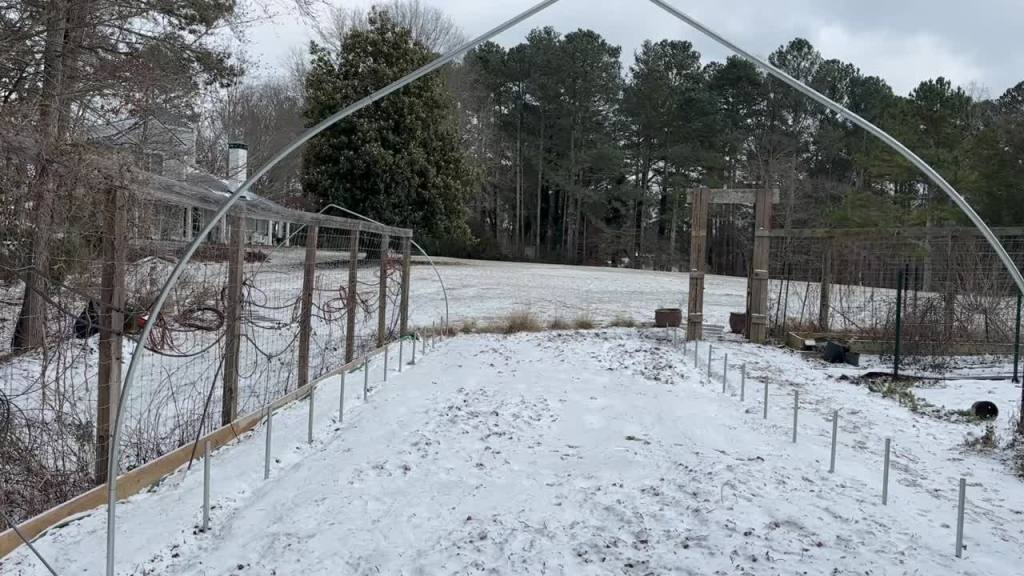
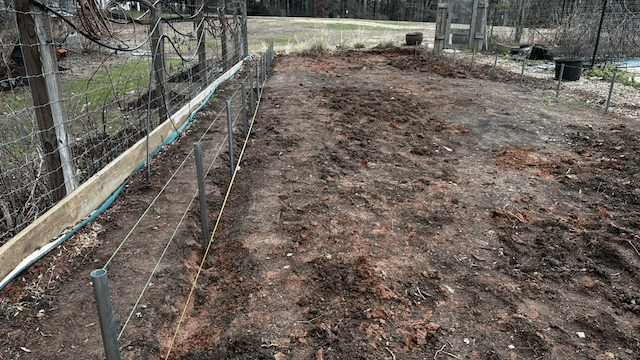
High tunnel grounding posts set in the garden
The grounding posts are in just before the ice storm arrives tonight.

This week, the “Cultivating Care” conversations we are planning felt like they have shifted from “it is an idea” to “we are going to do this thing!”

Cultivating Care is taking shape. We already have a few people lined up to join me in the garden for conversations, and that alone has added a real spark to the start of this year. These won’t be polished interviews or scripted soundbites. The goal is something simpler and more honest: make space for leaders who carry the daily weight of care to talk about what they’re seeing, what’s getting harder, what’s getting better, and what they’re proud of that most people never notice.

Building the space to hold the conversation

We made tangible progress on a feature that will change everything about the garden: our high tunnel.

It’s a 48-foot growing house designed to help us grow vegetables all year long. Today we got all the grounding posts in place and started building out the hoops.

If you’ve ever built something like this, you know the truth: nothing “big” looks big at first. It starts with a tape measure, a plan, and the unglamorous work of getting the posts straight and pounded in with a sledgehammer. Only after that can you build the structure that actually holds.

A new tool, and a new perspective

We also did some filming this week to test out new equipment, and I’m especially excited about one piece: our 360-degree camera.

There’s something powerful about capturing a conversation from every angle. It mirrors what I’ve learned about care work and leadership. When you can see the whole environment, the context, the people, the constraints, the workarounds, you stop oversimplifying the story. You start noticing what’s actually shaping outcomes.

That’s what I hope Cultivating Care does. Not “hot takes,” but deeper perspective. Not only what leaders decide, but what their teams live with day to day.

Why this matters to me

The more I think about Cultivating Care, the more excited I get. Not just for the content, but for the relationships.

This is a chance to reconnect with leaders I respect, and to build new relationships with people doing meaningful work across Human Services. It also gives me a way to bring my two worlds together:

  • Care in the garden (growing food that nourishes a community)
  • Care for humans (supporting organizations serving people with chronic conditions and complex needs)

Both require patience. Both require good systems. Both require humility, because the work is bigger than any one person.

A simple ask that makes a big difference

If you know leaders in the Human Services ecosystem, home care, disability services, behavioral health, or any organization doing care work, I’d love to meet them.

Referrals are the best way to build trust quickly, because they begin with relationship. If someone comes to the garden because you connected us, we start with shared credibility. That accelerates everything.

If you have someone in mind, reply to this and I’ll send a short intro note you can forward.

And one more thing… Stay safe

If you’re in the path of the ice storm that may be starting at any moment, I’m hoping you stay safe and warm.


This post first appeared on January 24, 2026 in Sowing Success, my weekly LinkedIn newsletter on leadership and organic farming. Read the original on LinkedIn.

Cultivating Care: Conversations on The Farm

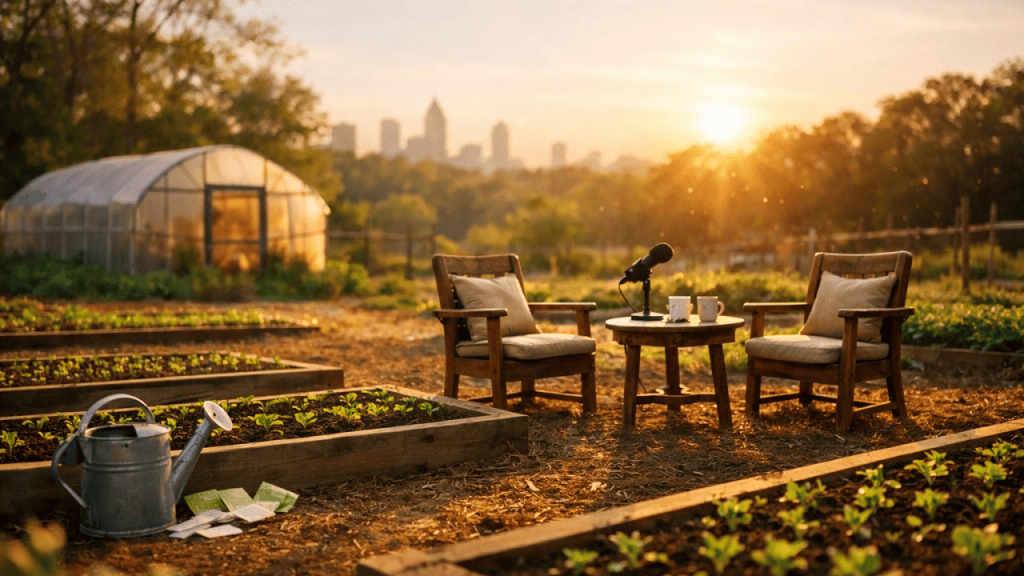
AI illustration of a garden conversation for Cultivating Care
Ok, yeah this is AI, but it is to help illustrate a vision of what things will look like when we kick off the conversations in the spring!

Spring has a way of telling the truth.

All winter, the garden looks quiet. Beds rest. Trees stand still. The greenhouse hums in the background. Then the days stretch a little longer, the soil warms, and suddenly you can see it. Life was there the whole time. It was just getting ready.

That’s the feeling behind a new project Will Holland and I are dreaming up, and it’s an offshoot of Sowing Success.

We’re calling it the Cultivating Care Community.

The idea is simple: invite leaders from local Home Care and Human Services organizations here in metro Atlanta to come talk with me in the garden. Real conversations about what care looks like today, what’s getting harder, what’s getting better, and what leaders are carrying that most people never see.

And because we’ll be sitting among seed trays, soil, and plants that are doing the slow work of becoming something useful, we’ll pull on a parallel that has been hitting me more and more lately:

Care is grown, not manufactured. It takes time. Attention. Consistency. Good systems. And a lot of unseen work.

Why a garden conversation

A garden is honest. If you skip the basics, it shows. If you overcomplicate it, it pushes back. If you build the right conditions and show up consistently, it rewards you.

That’s also true in Human Services.

The best care organizations I’ve met aren’t trying to do “more” in the abstract. They’re trying to do what matters with steadiness and quality. They’re trying to keep promises to clients and families, even when hiring is tough, documentation is heavy, and the pace never lets up.

And they’re trying to protect their people in the process.

In the garden, you learn quickly that thriving is rarely an accident. It’s usually the result of thoughtful inputs, good timing, and daily discipline.

I think there’s something powerful about having these conversations outside of an office, outside of a Teams meeting, and outside of the usual pressure. Just leaders, in fresh air, talking about the work that matters.

What we’ll explore

Cultivating Care will be grounded in practical, real-world questions, like:

  • What does “great care” mean in your organization right now?
  • Where are you seeing strain in delivering care consistently?
  • What’s getting in the way of your people doing their best work?
  • How do you keep quality high when the system keeps demanding more?
  • What are you doing that you’re proud of, even if nobody notices it?

And alongside those questions, we’ll weave in lessons from the garden that translate surprisingly well:

  • What makes healthy soil, and what that teaches us about culture Healthy soil is built through biology, organic matter, balance, and consistency over time. Company culture is the same. It’s shaped by what you repeatedly put in and protect.
  • The law of the harvest, and how it changes the way you plan for real change You can’t plant today and expect fruit tomorrow. The harvest always lags the work. The best leaders plan for seasons, not sprints, and they stick with the inputs long enough to see outcomes.
  • How caring for a plant translates into investing in employees Water, sunlight, and healthy soil are simple, but they’re not optional. Employees need the same kind of steady investment: clarity, tools, support, coaching, and room to recover so growth can happen without burnout.
  • Why nurture matters, and how it leads to fruit In the garden, nurture produces vegetables. In Human Services, nurture produces consistent, dignified care delivered by supported people. What we nurture bears fruit for our patients and our teams.

This is not meant to be performative or polished. The goal is to be real, useful, and encouraging.

Pilots now, launch in late April or May

Right now, the concept is still in its infancy, which is actually the best time.

We’re going to run a handful of pilot conversations in the garden as we head toward spring. We’ll learn what format works, what stories resonate, and how to make this valuable for leaders who are already carrying a lot.

Our aim is to launch in late April or May, right as the garden comes alive.

That timing feels right. When everything is waking up and growing, it’s a good moment to talk about how we grow organizations that deliver care with excellence and humanity.

Invitation

If you’re part of a Home Care agency or a related Human Services organization in metro Atlanta, and you’d be open to coming to chat with me in the garden, I’d love to hear from you.

You can email me, or DM me on LinkedIn if you don’t have my email.

I can’t wait to share what’s going on in the garden, and even more, to learn from the people who are in the business of delivering care every day.

More to come later this quarter.


This post first appeared on January 16, 2026 in Sowing Success, my weekly LinkedIn newsletter on leadership and organic farming. Read the original on LinkedIn.