Commitment to a Journey

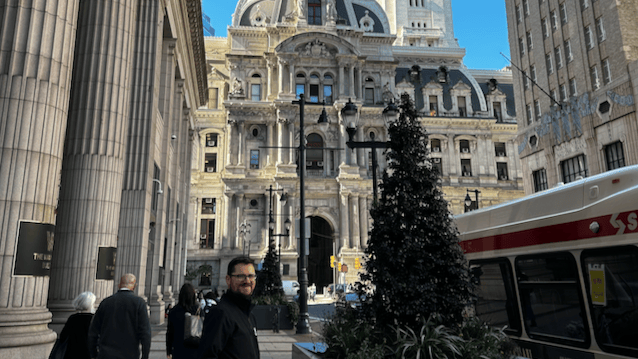
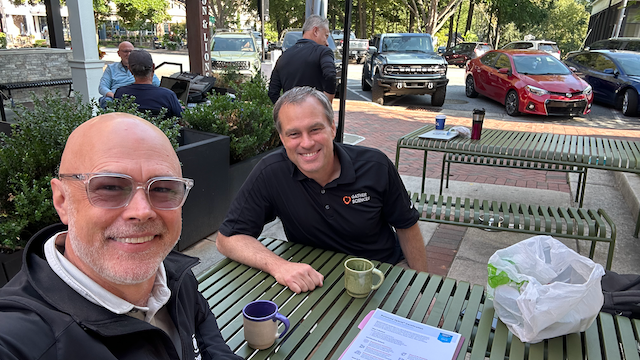
Will and I exploring Philly over a lunch break at Open Minds Institute

Whether you’re tending to crops or leading a business, commitment to the journey is what separates dreamers from doers.

I just returned from three days in Philadelphia with my teammate, Will Holland, where we dove deep into the world of Home and Community-Based Services (HCBS). We came back both inspired and sobered. Inspired by the mission-driven leaders who give so much of themselves to serve others. Sobered by the weight of the challenges they face every day.

The HCBS industry is at a crossroads. Uncertain funding, aging leadership, high technical debt, and new pay-for-performance models create constant headwinds. Many organizations operate on razor-thin margins, with limited capacity to invest in the technology and data practices they desperately need. Layer on a rapidly changing regulatory environment and new technologies that bring both promise and risk, and you can see why most technology companies steer clear.

But at ThreeWill, we’ve chosen the harder path. We see the struggle, and we’re still in. Because commitment to a journey means sticking with it, especially when the easy option is to walk away.

Our purpose is to help mission-driven organizations reclaim time, strengthen operations, and focus on what matters most: delivering quality care. That’s not a quick win. It’s a long game and one that demands discipline, patience, and the ability to keep showing up.

The same holds true at Iron Mountain Organics. Small-scale, local farmers face similar systemic pressures: low margins, rising costs, aging infrastructure, and a public that loves the idea of “local” but often doesn’t understand the economics behind it. Both industries are built on heart, and both need the business discipline and storytelling strength to thrive.

In both farming and technology, success comes from taking one intentional step after another guided by a clear plan that keeps you moving forward, even when the road gets rough. At ThreeWill, we have EOS (the Entrepreneurial Operating System) from EOS Worldwide to help us do that. For ThreeWill, we know we need a framework to give us the guidance on how we stay strategic and keep it grounded in everyday decisions that stay focused on the long term mission of our company to reclaim 10 million hours of wasted time that can be put back to work on things that matter most. We are excited about getting that time back in the HCBS market to help them make a bigger impact on this world and bring more dignity to the lives they serve.

This journey into HCBS won’t be easy. Neither is farming. But both are worth the effort. Because commitment to a journey isn’t about comfort, IT’S ABOUT IMPACT!


This post first appeared on October 24, 2025 in Sowing Success, my weekly LinkedIn newsletter on leadership and organic farming. Read the original on LinkedIn.
Simplifying to Stand Out

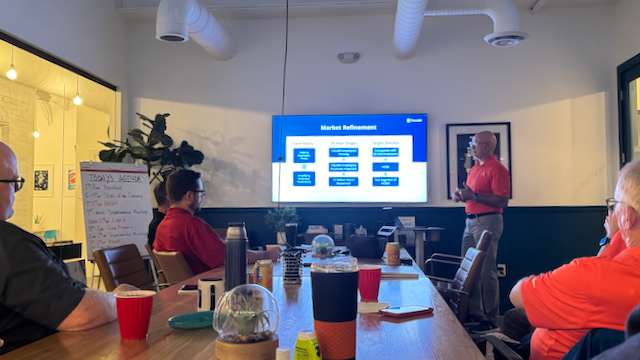
ThreeWill Quarterly All Day - Planning out the next 90 Days of the Journey
ThreeWill Quarterly All Day – Planning out the next 90 Days of the Journey

Yesterday’s ThreeWill Quarterly All Day left me feeling inspired. These EOS (Entrepreneur Operating System) “quarterly pulses” are where we step back to plan the next 90 days, and every time I’m reminded of one truth: simplifying is hard work. It takes time, discipline, and a deep commitment to stay on the journey instead of chasing the next shiny thing.

On the farm, the same lesson plays out. I might try new crops or methods each season, but the heart of what I do is about refining the craft and how that serves my local community. Simplifying what makes Iron Mountain Organics unique has become top of mind for me to maximize its value to our local community.

At ThreeWill, our EOS framework calls us to name the three strengths we use to focus our investments in being unique in the marketplace. Our “Three Uniques” are Journey With You, Depth of Knowledge, and Measure Your Success. I didn’t fully realize how powerful that exercise was until recently. Those three uniques aren’t just words on a page. They are filters for every decision we make and a mirror that shows whether we’re a good fit for a client.

Now I’m flipping the lens and asking how the practice of naming three uniques could grow the impact Iron Mountain Organics has on our local community. What do I want Iron Mountain Organics to be known for? A few ideas come to mind:

  • Food as Your Medicine
  • Building Community and Joy with Vegetables
  • Knowing Your Food and Embracing the Diversity of Food

These might be the beginnings of my farm’s three uniques. They remind me that standing out doesn’t mean doing more. It means knowing who you are and refining what matters most.

So, I’ll leave you with a question: Do you know the three things that make your business unique? If not, that might be one of the most valuable exercises you can do to guide your decisions and define your impact.


This post first appeared on October 17, 2025 in Sowing Success, my weekly LinkedIn newsletter on leadership and organic farming. Read the original on LinkedIn.
Harvest Comes Later

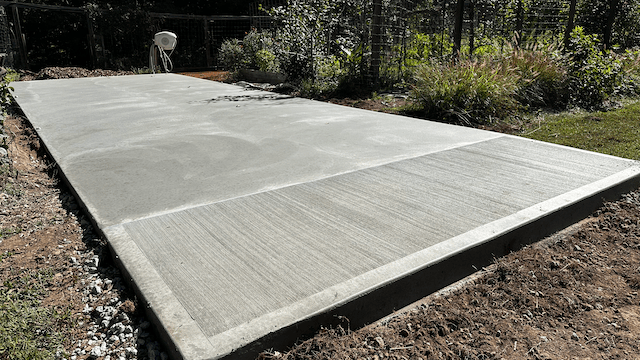
Concrete pad for 12x32 greenhouse
Concrete pad for 12×32 greenhouse

If there’s one lesson farming never lets you forget, it’s that the harvest always comes later.

You plant the seeds, tend the soil, and put in the work long before you see results. No shortcut or clever trick changes that simple truth. Stephen Covey reminds us, it’s the Law of the Harvest. I wrote more about what that principle has taught me in leadership on the Iron Mountain Organics blog about five years ago in a post titled Learning Healthy Leadership through Law of the Harvest.

At Iron Mountain Organics, I’m reminded of this lesson as I take on new infrastructure projects. In addition to the 8-foot fencing around a 5,000 sqft garden and a 6 bin compost system, I am now putting in a new 32×12 greenhouse and a 36×16 high tunnel to serve my local community with better produce and vegetable seedlings they can grow on their own properties. Each of these investments takes time, money, and energy. None of them produces an immediate return, but each one creates the foundation for seasons of abundance ahead.

It’s the same kind of season we’re in at ThreeWill. Our focus on Home and Community-Based Services (HCBS) is about more than building a new line of business. It’s about laying a strong foundation that will stand the test of time. We’re building tools, systems, and relationships, but most importantly, we’re building community. I’m especially excited to share that we’ll soon be launching our HCBS Productivity Toolkit. More to come!

The true strength of this HCBS practice will come from our ability to listen, learn, and understand how we can best serve organizations that serve others. The work needs to start with understanding and connection.

These early efforts might not have an immediate payoff, but that’s what makes them meaningful. In farming and in business, the things that last are the ones that grow slowly and deeply.

So keep planting, keep building, and keep believing. The harvest comes later, and it’s always worth the wait ;).


This post first appeared on October 11, 2025 in Sowing Success, my weekly LinkedIn newsletter on leadership and organic farming. Read the original on LinkedIn.
Building for Tomorrow: The Disruption and Promise of Intentional Investments

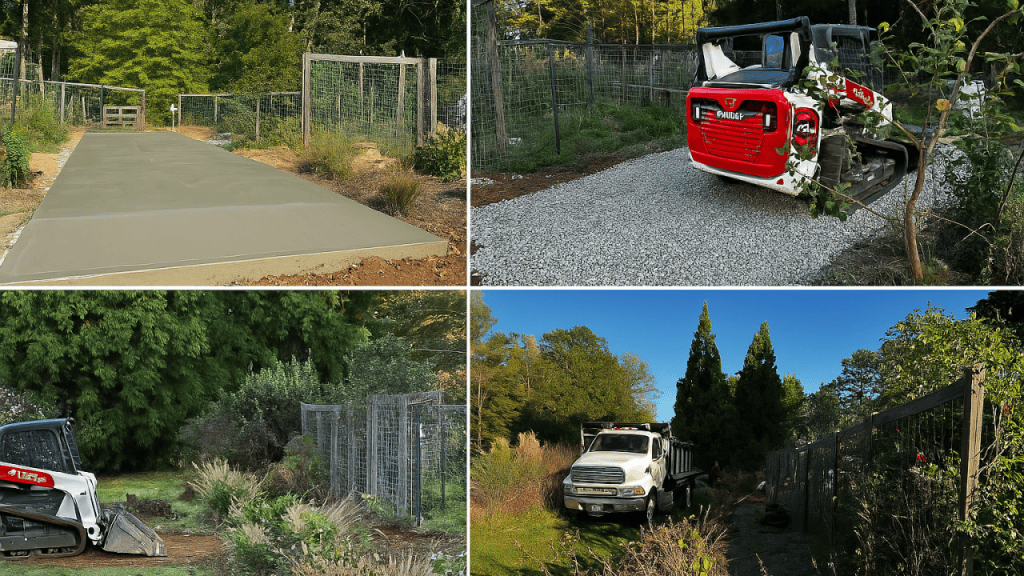
New Concrete Pad For Greenhouse

At Iron Mountain Organics, we are undergoing a transformation. Right now, we’re putting up a 32×12 greenhouse and a 36×16 high tunnel dedicated to tomato production. The concrete pad was laid yesterday, and it was quite a scene. For a farm our size (small farm / large garden), this is no small thing. It’s a major investment in how we can serve our community not only with vegetables, but also with seedlings that are grown locally and adapted to our climate.

If you’ve ever taken on a project like this, you know it’s disruptive. Daily rhythms get thrown off. There’s mud, tools scattered around, and work that seems to stand still as progress slowly takes shape. Yet, the promise on the other side is worth it. It leads to a future where we can grow more, better, and in ways that bring lasting value to the people around us.

The same principle applies at ThreeWill. We’re making some major infrastructure and asset investments to better serve Home and Community-Based Services organizations (some very exciting things will be launched soon). We know these are not guaranteed bets. But if we want to shape the future, we can’t simply wait for it to arrive. We need to build toward it now.

Sometimes, progress means taking a leap before every detail is worked out. As the saying goes, nothing ventured, nothing gained.


So here’s my question for you:

Is it time for you to take that leap and make an investment in your future, whether in your business or in your personal life?

If you’re open, share in the comments. Or if it feels too personal, DM me. I’d love to hear your story.


This post first appeared on October 3, 2025 in Sowing Success, my weekly LinkedIn newsletter on leadership and organic farming. Read the original on LinkedIn.
Success Starts with the Soil

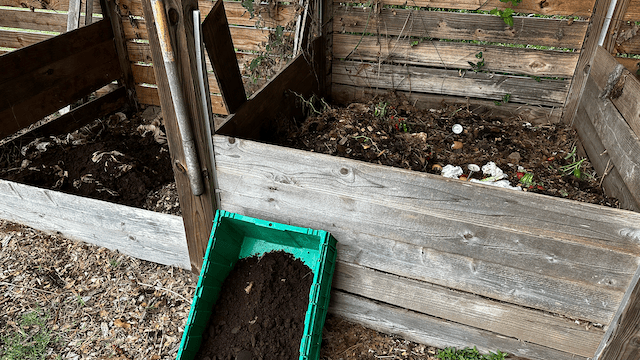
Stockpiling the coffee grounds from Barrell House Coffee in IMO's composting system
Stockpiling the coffee grounds from Barrell House Coffee in IMO’s composting system

This week, three very different conversations all pointed me back to one fundamental truth: success starts with the soil.

When Jesse White came out to Iron Mountain Organics this week to see the farm in person, he was full of thoughtful questions about compost, how I make it, how I use it, and why it is central to everything I grow. Compost is not just a byproduct; it is the foundation of a sustainable growing system. I appreciated his curiosity and realized much of the conversation circled back to things related to healthy soil.

Later in the week, at Valor Coffee Natalie Broadus Corona asked how I deal with bugs on the vegetables. My answer was simple: I do nothing. Nature does the work. When the soil is healthy, everything stays in balance. Strong plants and natural diversity make sure pests do not overrun the garden.

Finally, my week ended with coffee at Barrell House Coffee in Ball Ground with my good friend Thomas Schwab. Over the years, coffee at BHC has been a steady rhythm for us. This time, his generosity went beyond conversation when he offered to help me fill five 10 gallon totes with used coffee grounds. Spent coffee grinds are a rich nitrogen source for compost. To me, those grounds are black gold.

Each of these moments reminded me that soil health is at the heart of everything. And it is not just true in farming. In business, the “soil” is our culture. In the ThreeWill Productivity Manifesto, I compare culture to soil because it is the bedrock of true organizational productivity. Healthy soil produces healthy plants. Healthy culture produces motivated, thriving people. That is what allows us to focus on what matters most.

If you have not yet read (or listened to) the Productivity Manifesto, I encourage you to download it and give it a listen (DM me if you need some “productivity tips on how to do that” 😉). Car rides are my favorite time to take it in. Just like tending soil, investing in culture is a habit that compounds over time.


This post first appeared on September 26, 2025 in Sowing Success, my weekly LinkedIn newsletter on leadership and organic farming. Read the original on LinkedIn.
Start Small, Learn Fast: The Art of Experimenting Wisely

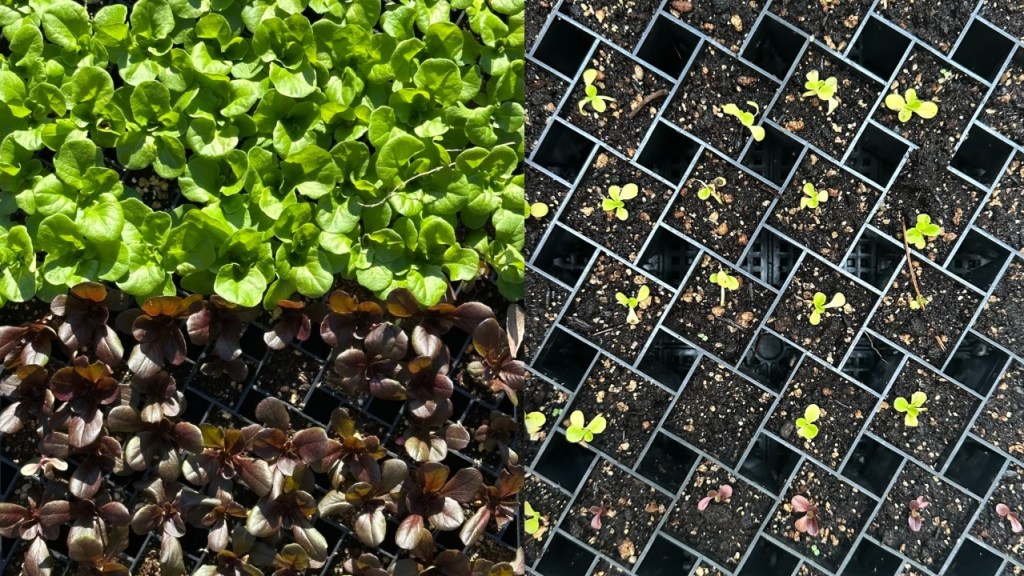
Fall 2024 lettuce seedlings on the left and Fall 2025 on the right

This fall, I tried something different with my lettuce crop. Instead of starting the seeds under lights as I usually do, I decided to go all in on a new approach. This approach involved planting outdoors in direct sunlight, along with a few other variables that I won’t bore you with.

The result? Most likely, I will not be offering fall lettuce to my IMO customers, which is quite a bummer. The experiment failed, and because I didn’t start small, the impact was disheartening.

Here’s the lesson: I should have tested this approach on 10–20% of my crop first, while keeping 80% in my tried-and-true system. Then, if it worked, I could scale it up. It’s a simple principle, but even after years of gardening, I forgot to practice it.

The same principle applies to business. At ThreeWill, we’ve been pivoting toward a managed services model. When we first shifted from time-and-materials projects to fixed-fee subscriptions, we didn’t bet the whole farm. We experimented on a small scale, learned what worked (and what didn’t), refined the approach, and then scaled it into a core offering. What started as a side hustle is now central to our business.

Experimentation is necessary for growth, but it’s wise to do it in a way that doesn’t risk the whole harvest. Start small. Learn. Then scale with confidence.

And a quick shout-out to my mom! She just found out about this newsletter and, when I told her about the lettuce mishap, she encouraged me to share it with you. Thanks, Mom, for the nudge.

So here’s your reminder: Experiment boldly, but wisely. Start small, learn fast, and scale what proves itself. 🌱


This post first appeared on September 19, 2025 in Sowing Success, my weekly LinkedIn newsletter on leadership and organic farming. Read the original on LinkedIn.
Love Your Neighbor: From the Garden to the Workplace

Coffee with John Wichmann - geeking out on productivity.
Coffee with John Wichmann – geeking out on productivity.

This week has been a heavy one. Between remembering 9/11 and the weight of the news cycle, I’ve been reminded how much our world needs a simple yet powerful practice: love your neighbor.

For me, that’s a big part of why I’m drawn to growing food. It’s more than just tending to plants. It’s about caring for people. I want to create healthy, enjoyable food experiences for my community, whether that’s introducing someone to a vegetable they’ve never tried before or growing the tomatoes (sun golds) and peppers (jimmy nardello) they look forward to each season.

I do sell vegetables from our property, but I also find it rewarding to bring vegetables to work as gifts when I meet up with people. There’s something deeply joyful about giving food away. Even yesterday, I brought a small harvest to coffee with a new work partner, John Wichmann (see picture above). The smile on his face when I introduced him to shishito peppers reminded me how meaningful it is to share something with someone else out of your passion. That moment of connection was also a reminder of how refreshing it is to see someone be passionate about making a positive difference in this world. His passion for helping organizations navigate hybrid work environments is rooted in a genuine desire to make the world better. That, too, is to love your neighbor.

This spirit of love your neighbor doesn’t have to stop at home or in the garden. It can and should extend into our workplaces. We love our neighbor when we care for our employees, clients, and vendors. When we (ThreeWill) strive to help organizations focus on what matters most, use their tools more intentionally, and create healthier work cultures, we’re practicing the same principle of care.

The truth is, we all have opportunities to improve the world right where we are. The question is: do you bring a genuine care for your employees and clients? If not, maybe it’s time to shift your mindset. Beyond tasks and responsibilities, there’s always a chance to love your neighbor at home, at work, and in every community we’re part of.


This post first appeared on September 12, 2025 in Sowing Success, my weekly LinkedIn newsletter on leadership and organic farming. Read the original on LinkedIn.
Simplify Your Systems: How Core Processes Keep Things Running When You Step Away

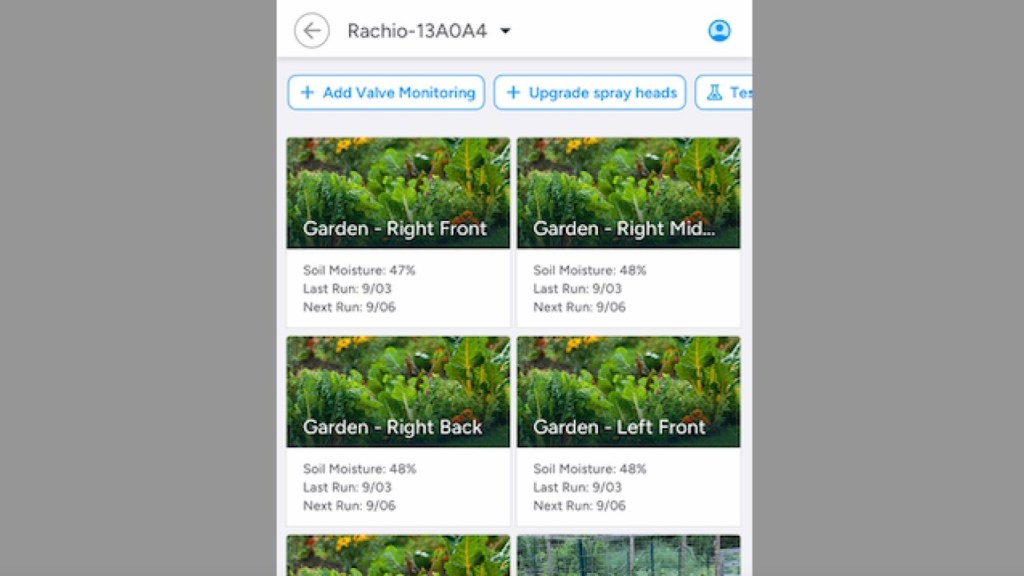
Part of how IMO is automated with drip irrigation that can be monitored remotely.

This week I’m writing from Oregon, where I’m spending time with my oldest son and his family. Being away from Iron Mountain Organics and ThreeWill reminds me of the importance of having systems in place and people who care, so that things continue to run smoothly even when I’m not there.

On the farm, vegetables don’t pause just because I’m on vacation. Nature moves forward. That means I need reliable systems to ensure things happen at the right time. Some of this is automated (like drip irrigation) but there’s always work that requires human hands. Without clear guidance, I can’t just say, “Farmer Austin, take care of the farm while I’m gone.” For my son to truly help, I need to define what “taking care” means.

When I outline a process (whether verbally or in writing), stress drops for both of us. People want to help, but they also want to know what “good” looks like. Defining the standard gives everyone confidence and a way to measure success.

A simple example: packing orders for IMO customers. Linda and I have found a rhythm. She prints the orders, prepares the bags, weighs the portions, and calls them out. I pick the herbs, fill the bags, and mark the orders as ready in the system. We both put out the sign and umbrella together. Because our roles are clear, order pickup day feels less like a scramble and more like a team effort.

At ThreeWill, we use EOS as our guide to capture and document core processes. The more we simplify, the less stress we feel and the easier it becomes to identify what should be automated. Over the past few years, I’ve learned that simpler processes are more likely to be followed. Complexity creeps in naturally, and the discipline is in pruning it back.

Whether in farming or consulting, clarity in process is what allows you to step away without everything falling apart. The simpler the system, the easier it is to scale and the more freedom you gain to focus on what matters most.


This post first appeared on September 5, 2025 in Sowing Success, my weekly LinkedIn newsletter on leadership and organic farming. Read the original on LinkedIn.
Diversity: Nature’s Design for Thriving Systems

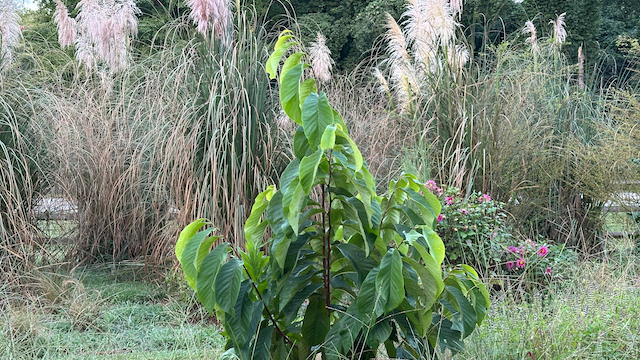
My paw paw tree that is beautiful, but will not bear fruit without a diverse companion.

As I watch a paw paw tree take shape in my yard, I’m reminded of an essential truth: it will never bear fruit on its own. For paw paws to bear fruit, they need diversity through the presence of another paw paw tree of a different variety nearby to facilitate cross-pollination.

If we were all cloned to be the same “perfect” person, that would be a pretty boring world to live in, so we could probably all agree that diversity is essential. Diversity is a fundamental design element of life, and it appears in nature in ways that help me apply that basic principle to my work experience.

I see this play out in my garden. Instead of controlling every “pest,” I’ve learned to let the ecosystem do its work. Birds, beetles, and other beneficial creatures naturally balance things out, so I’m not overrun with any single “pest.” The garden thrives because of diversity, not despite it.

Contrast that with how we often treat our lawns. We demand a monoculture of Bermuda or fescue, working tirelessly against nature’s urge to bring clover, crabgrass, and wild ground covers into the mix. Don’t get me wrong, I love a beautiful, thick, lush turf of fescue to walk in barefoot, but in our need for control, we miss the richness and resilience that variety brings.

It makes me think: how often do we do the same thing in our work and relationships? We gravitate toward people like us. We control for sameness because it feels safe. But sameness can limit the creation of new concepts or a more well-rounded idea. It’s when we invite others who challenge our assumptions, stretch our thinking, and bring new ideas that our businesses — and our lives — truly thrive.

Nature whispers this lesson everywhere: diversity is strength, and it’s the path to abundance.

Closing Reflection Question: Where could you let go of control and invite diversity to do its work in your own life or organization?


This post first appeared on August 29, 2025 in Sowing Success, my weekly LinkedIn newsletter on leadership and organic farming. Read the original on LinkedIn.

The Gift of Abundance: How Overflow Creates Connection

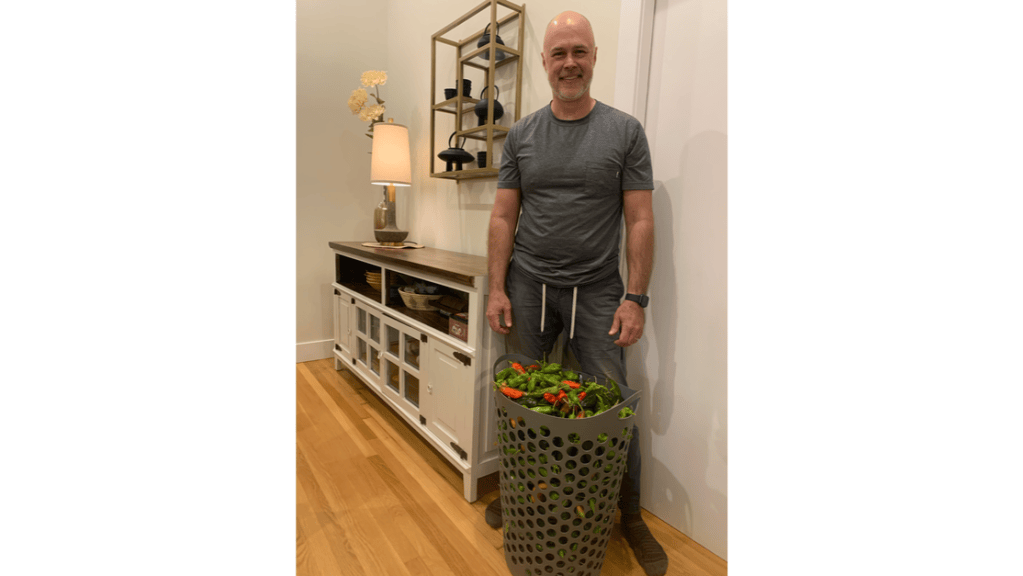
My fall pepper harvest!

One of the beautiful lessons from the garden is abundance and how it naturally overflows to benefit others. Some plants just give more generously than others. This time of year, peppers are plentiful, and their abundance pushes me to find new ways to use them and, more importantly, new people to share them with.

Just this week, I met up with my friend Patrick Falgoust for a beer, and we exchanged the overflow from our gardens. That simple act of sharing abundance sparked a deeper connection, rooted in generosity and community.

I try to carry this same spirit into my work life. At my coworking space, THRIVE | Coworking (which truly is the best), I often bring in extra produce to share. It’s always fun to see people light up with excitement as they get to try something new, fresh, local, and organic that they might not otherwise experience. Over time, this little ritual has even earned me the nickname “Farmer Tommy” around Thrive, which is a title I wear with pride.

Whether it’s veggies from the garden, profit shared with a team, or time given to help someone else succeed, abundance is not meant to be hoarded. It’s intended to ripple outward. When we let abundance flow, it strengthens relationships and builds bonds that last.

So let me ask you: What is abundant in your life right now, and how are you sharing it with others?


This post first appeared on August 22, 2025 in Sowing Success, my weekly LinkedIn newsletter on leadership and organic farming. Read the original on LinkedIn.